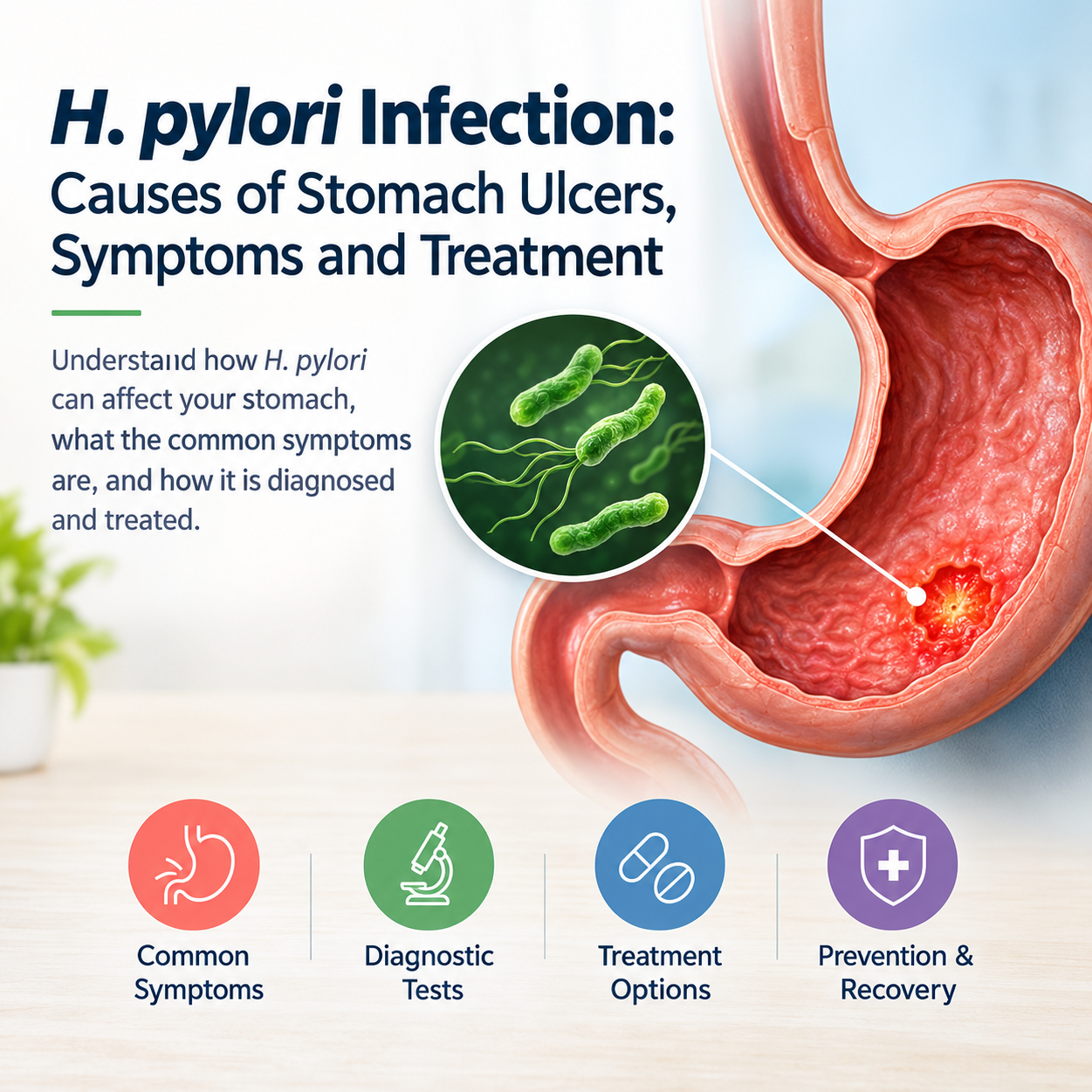
H. pylori Infection: Causes of Stomach Ulcers, Symptoms and Treatment
Do you frequently experience upper abdominal discomfort, nausea, or a burning sensation in your stomach? These symptoms can have several causes, and one possible reason is an infection with Helicobacter pylori, commonly known as H. pylori.
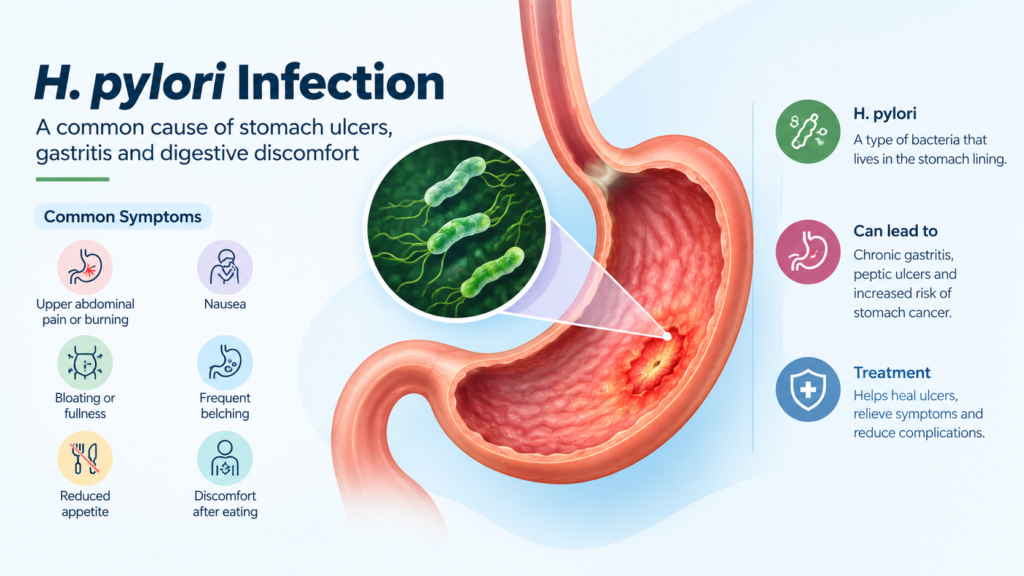
H. pylori is a type of bacteria that can live in the stomach lining. It is a common cause of chronic gastritis and peptic ulcers, and it is associated with an increased risk of certain stomach cancers. However, many infected people do not experience noticeable symptoms.
Identifying the infection and receiving appropriate treatment when indicated can help heal ulcers and reduce the risk of complications. If you are searching for the best Gastroenterologist in Lucknow for persistent stomach problems, a specialist can assess your symptoms and determine whether H. pylori testing is appropriate.
Dr. Puneet Mehrotra is a Gastroenterologist and Hepatologist in Lucknow who evaluates digestive conditions. This article explains H. pylori infection, its symptoms, available tests, treatment, and steps to support recovery.
What Is H. pylori Infection?
H. pylori is a bacterium that can colonize the stomach lining and survive in its acidic environment. In some people, it causes chronic inflammation of the stomach, known as gastritis.
The infection may also contribute to peptic ulcers, which are sores that develop in the lining of the stomach or the first part of the small intestine.
Many people carry H. pylori for years without experiencing symptoms. However, the infection can sometimes lead to significant complications if it remains untreated.
H. pylori infection is also associated with an increased risk of gastric cancer and a rare type of stomach lymphoma called MALT lymphoma. Having the infection does not mean that a person will develop cancer, but appropriate diagnosis and treatment can be important.
How Does H. pylori Spread?
H. pylori is thought to spread mainly through oral-oral or faecal-oral routes, although the exact route is not always identifiable in an individual case.
Possible transmission pathways include exposure to contaminated food or water and close contact with an infected person.
The infection is often acquired during childhood, and multiple household members may be affected.
General hygiene practices can help reduce infection risks:
- Wash your hands with soap after using the toilet.
- Wash your hands before preparing or eating food.
- Use safe drinking water.
- Wash fruits and vegetables properly.
- Follow appropriate food preparation and storage practices.
These steps support general infection prevention but cannot guarantee that H. pylori infection will be avoided.
What Are the Symptoms of H. pylori Infection?
Many people with H. pylori have no symptoms. When symptoms occur, they may be related to gastritis or a peptic ulcer.
Possible symptoms include:
- Burning or aching pain in the upper abdomen.
- Stomach discomfort that may occur when the stomach is empty.
- Nausea.
- Bloating or a feeling of fullness.
- Frequent belching.
- Reduced appetite.
- Discomfort after eating.
These symptoms are not specific to H. pylori. Acid reflux, functional dyspepsia, medication-related irritation, gallbladder problems, and other conditions can produce similar complaints.
Symptoms alone cannot confirm the infection. Testing may be needed to determine whether H. pylori is present.
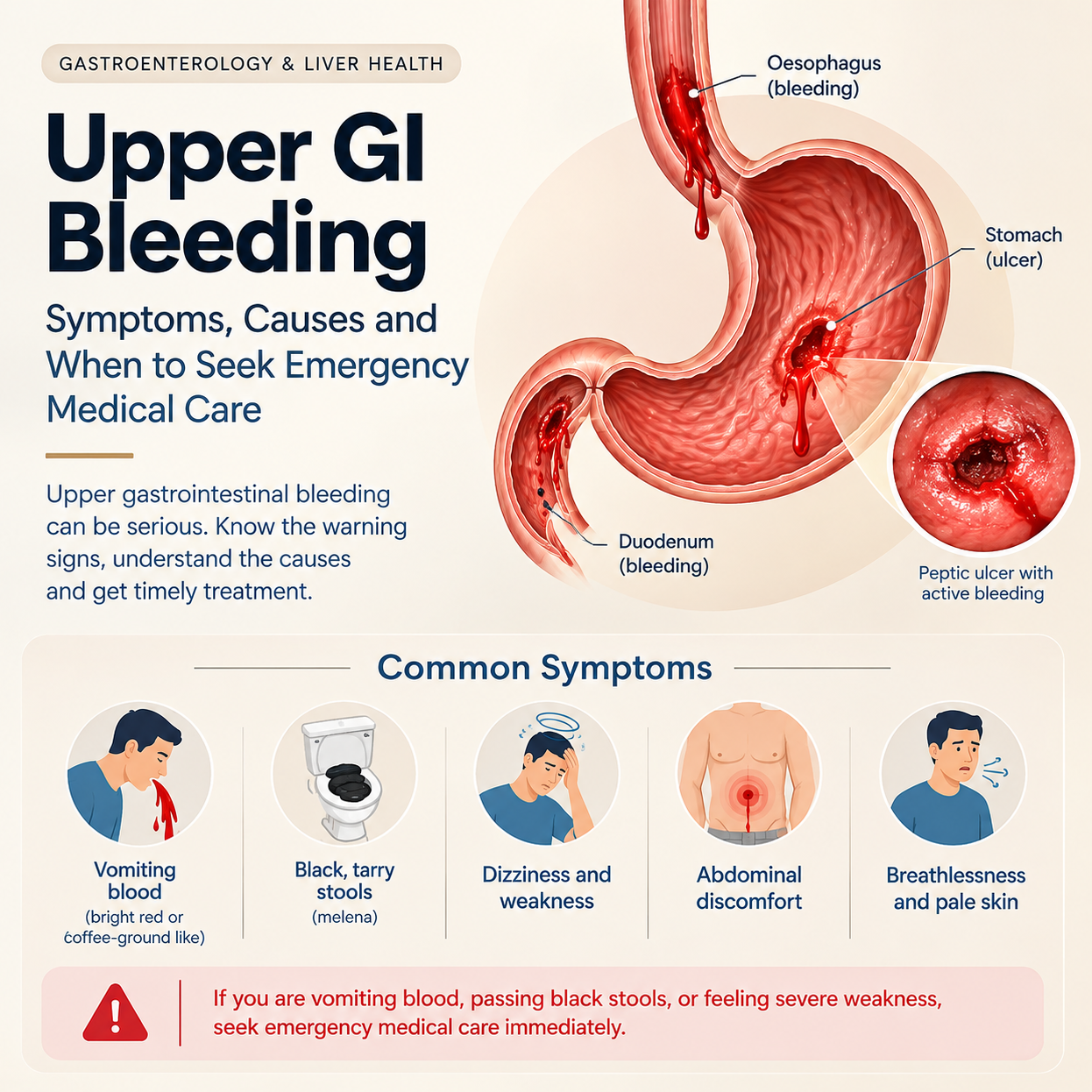
Seek emergency medical care if you vomit blood, pass black tarry stools, or experience sudden, severe abdominal pain. These can be signs of gastrointestinal bleeding or another serious complication.
Can H. pylori Cause Stomach Ulcers?
Yes. H. pylori is an important cause of peptic ulcer disease.
The bacterium can disrupt the stomach’s protective lining and contribute to inflammation. This can make the stomach or duodenal lining more vulnerable to damage from digestive acid.
However, H. pylori is not the only cause of peptic ulcers. Regular use of non-steroidal anti-inflammatory drugs (NSAIDs), such as ibuprofen or certain other pain relievers, can also cause ulcers.
If an ulcer is diagnosed, a doctor may investigate H. pylori and review the patient’s medication history to identify the likely cause.
Treating an identified H. pylori infection can help ulcers heal and reduce the risk of recurrence.
How Is H. pylori Infection Diagnosed?
Several tests can help identify H. pylori. The appropriate test depends on the patient’s symptoms, medical history, previous treatment, and whether an endoscopy is needed.
1. Urea Breath Test
The urea breath test is a non-invasive test used to detect active H. pylori infection.
The patient takes a test substance containing urea. If H. pylori is present, its urease enzyme breaks down the urea, producing a measurable change in the breath sample.
This test is also commonly used to confirm whether treatment has successfully eliminated the infection.
2. Stool Antigen Test
A stool antigen test detects components of H. pylori in a stool sample. It can help diagnose an active infection and is also used to confirm eradication after treatment.
3. Upper Gastrointestinal Endoscopy
An upper gastrointestinal endoscopy allows a specialist to examine the lining of the oesophagus, stomach, and upper small intestine.
During the procedure, tissue samples may be collected for H. pylori testing when clinically appropriate. Endoscopy may be recommended when there are alarm symptoms, suspected complications, or other reasons to examine the upper digestive tract.
4. Blood Antibody Tests
Blood tests can detect antibodies against H. pylori, but these antibodies may remain present even after the infection has been treated.
For this reason, antibody testing is generally less useful for confirming active infection or determining whether treatment has worked.
Your gastroenterologist will recommend a suitable test based on your circumstances.
H. pylori Treatment: How Is the Infection Eliminated?
H. pylori is treated with a combination of medicines rather than a single antibiotic.
Treatment commonly includes acid-suppressing medication and multiple antibiotics. Depending on the clinical situation and local resistance patterns, a bismuth-containing regimen or another recommended combination may be selected.
The exact treatment depends on factors such as:
- Previous antibiotic exposure.
- History of earlier H. pylori treatment.
- Medication allergies.
- Local antibiotic resistance patterns.
- Availability and suitability of specific medicines.
- Other medical conditions and current medications.
Follow your doctor’s prescription carefully. Do not start leftover antibiotics, change doses yourself, or stop treatment early because symptoms have improved.
Antibiotic resistance can make H. pylori harder to eliminate. Selecting an appropriate regimen and completing the prescribed course are important for successful treatment.
Why Is Follow-Up Testing Important?
Feeling better does not necessarily mean that H. pylori has been eliminated.
A follow-up test is generally recommended after treatment to confirm eradication. A urea breath test or stool antigen test may be used, depending on availability and clinical circumstances.
Testing is typically performed at least four weeks after completing antibiotics. Proton pump inhibitors and certain other medicines can affect test accuracy, so your doctor may advise temporarily stopping them before testing.
Do not stop prescribed medication without medical advice.
A positive follow-up result may mean that another treatment regimen is needed. The choice of subsequent treatment depends on previous antibiotics and other relevant factors.
What Should You Eat During H. pylori Treatment?
There is no single diet proven to eliminate H. pylori. Antibiotic treatment prescribed by a doctor is necessary when eradication is indicated.
However, eating habits may help some people manage stomach discomfort during recovery.
Consider these general measures:
- Eat balanced meals at regular intervals if this helps your symptoms.
- Identify and limit foods or drinks that clearly worsen your discomfort.
- Maintain adequate fluid intake.
- Avoid smoking.
- Limit alcohol, particularly if it worsens symptoms or interacts with your medicines.
- Follow any specific dietary instructions provided by your doctor.
Spicy foods, tea, coffee, and acidic foods do not cause H. pylori infection, although certain items may aggravate symptoms in some people.
Do not rely on home remedies, probiotics, or special diets as substitutes for prescribed eradication treatment. Discuss supplements with your doctor before using them.
What Happens If H. pylori Is Left Untreated?
Not every person with H. pylori develops complications. Nevertheless, persistent infection can increase the risk of certain conditions.
Possible complications include:
Peptic ulcers: The infection can contribute to sores in the stomach or duodenum.
Gastrointestinal bleeding: An ulcer may bleed and cause vomiting of blood, black stools, or anaemia.
Perforation: In rare but serious cases, an ulcer can create a hole in the digestive tract and require emergency treatment.
Gastric cancer risk: Long-standing H. pylori infection is associated with an increased risk of certain types of stomach cancer.
MALT lymphoma: H. pylori is associated with a specific type of lymphoma involving the stomach lining.
Appropriate testing and treatment can reduce the risk of several H. pylori-related complications.
When Should You Consult a Gastroenterologist?
Consider a gastroenterology consultation if you have:
- Persistent or recurring upper abdominal discomfort.
- A diagnosed stomach or duodenal ulcer.
- Previous H. pylori infection without confirmation of eradication.
- Unexplained iron deficiency anaemia that requires evaluation.
- Ongoing digestive symptoms despite initial treatment.
- A history or symptoms that make further investigation necessary.
Symptoms such as unexplained weight loss, difficulty swallowing, persistent vomiting, or gastrointestinal bleeding require prompt medical assessment. The urgency depends on the severity and nature of the symptoms.
If you are looking for the best Gastroenterologist in Lucknow, a specialist can assess your symptoms, select suitable tests, and recommend evidence-based treatment.
Consult Dr. Puneet Mehrotra for Digestive Health in Lucknow
Dr. Puneet Mehrotra is a Gastroenterologist and Hepatologist with qualifications including MD (Medicine), DM (Gastroenterology) from SGPGIMS, DNB (Gastroenterology), and FACG.
For persistent stomach discomfort, suspected H. pylori infection, peptic ulcers, or other digestive concerns, a consultation can help determine whether testing or further evaluation is needed.
Doctor: Dr. Puneet Mehrotra
Speciality: Gastroenterologist & Hepatologist
Clinic: Lucknow Gastro & Gynae Centre (LGGC)
Address: B-127, Nirala Nagar, behind Ram Krishna Math, near IT College Crossing, Lucknow, Uttar Pradesh.
Consultation timings: 9:00 AM–4:00 PM daily
Appointment contact numbers:
- 9554554548
- 9415044452
- 0522-2787150
Bring any previous endoscopy reports, H. pylori test results, prescriptions, and relevant medical records to your appointment.
Frequently Asked Questions
1. Can H. pylori infection be cured?
Yes. Appropriate combination treatment can eliminate H. pylori in many patients. Follow-up testing is important to confirm that the infection has been eradicated.
2. Does everyone with H. pylori have stomach pain?
No. Many infected people have no noticeable symptoms. Others may experience upper abdominal discomfort, nausea, or ulcer-related symptoms.
3. Which test is best for H. pylori infection?
A urea breath test or stool antigen test is commonly used to detect active infection. Endoscopy with tissue sampling may be appropriate in selected cases. Your doctor will recommend the test that best fits your situation.
4. Can H. pylori cause stomach cancer?
Long-standing H. pylori infection increases the risk of certain stomach cancers, but most infected people do not develop cancer. Diagnosis and appropriate treatment can reduce the risk of several complications.
5. Can H. pylori return after treatment?
Treatment failure can occur, and reinfection is also possible. If symptoms continue or recur, appropriate testing can help determine whether the infection remains present or another condition is responsible.
6. Should I repeat the H. pylori test after treatment?
Yes. A test to confirm eradication is generally recommended at least four weeks after completing antibiotics. Your doctor may also advise withholding certain acid-suppressing medicines before the test to reduce the chance of an inaccurate result.
7. Which gastroenterologist should I consult for H. pylori in Lucknow?
A qualified gastroenterologist can assess your symptoms, arrange appropriate testing, and select a suitable treatment regimen. Dr. Puneet Mehrotra provides gastroenterology and hepatology consultations in Lucknow.
Conclusion
H. pylori is a common bacterial infection that can cause chronic gastritis and peptic ulcers. Although many people have no symptoms, appropriate testing and treatment are important when infection is identified and eradication is indicated.
Avoid self-medicating with antibiotics or relying on home remedies alone. A proper diagnosis, an appropriate treatment regimen, and follow-up testing provide a more reliable approach to managing the infection.
For a digestive health consultation in Lucknow, contact Dr. Puneet Mehrotra at Lucknow Gastro & Gynae Centre using the appointment details above.