Liver Cirrhosis Treatment in Lucknow: Scarring and Why Follow-Up Matters
Hearing the word cirrhosis can be frightening, especially when you have few symptoms. Cirrhosis means that long-term liver injury has produced extensive scarring. Understanding the cause, the stage of disease and the next steps can make your care plan clearer.
Liver cirrhosis treatment in Lucknow should address both the underlying condition and the complications that may develop. This guide explains how liver scarring affects the body, which assessments may be useful and why regular follow-up remains important, even when you feel better.
How Does Liver Scarring Develop?
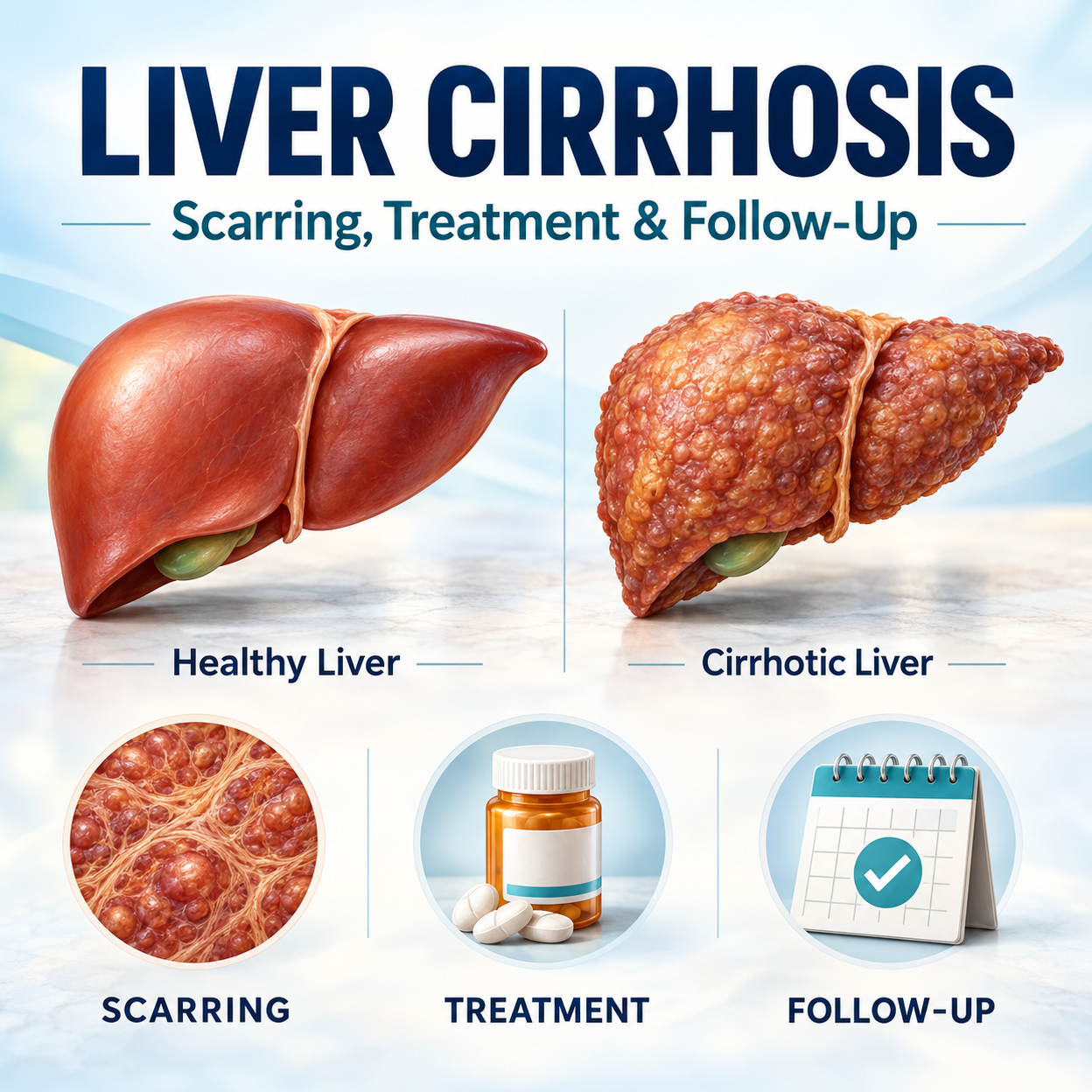
The liver processes nutrients, makes essential proteins and helps remove waste products. Repeated injury can lead to fibrosis, the medical term for scar formation.
As fibrosis becomes advanced, scar tissue changes the liver’s structure and interferes with blood flow and normal function. Cirrhosis is an advanced stage of this process.
Restricted blood flow can increase pressure in the portal circulation, called portal hypertension. This may contribute to enlarged veins, fluid accumulation and other complications. The severity of symptoms does not always reflect the amount of scarring, so assessment requires more than how you feel.
Common Causes of Liver Cirrhosis
Cirrhosis has several possible causes. These include chronic hepatitis B or C, alcohol-associated liver disease and metabolic dysfunction-associated steatotic liver disease, or MASLD.
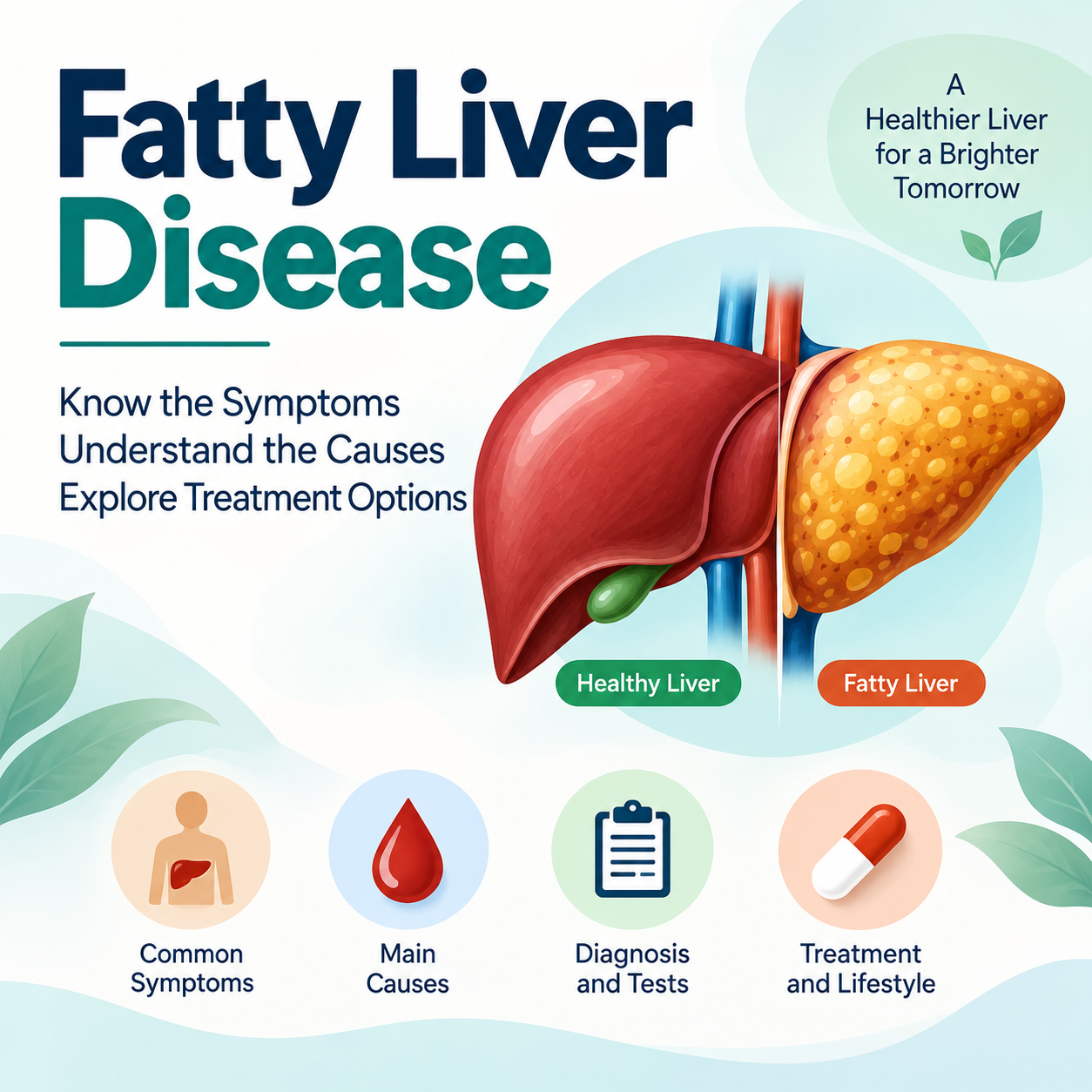
MASLD is the newer term for a common form of fatty liver disease associated with metabolic risk factors. Its inflammatory form, MASH, can progress to advanced fibrosis in some patients.
Other causes include autoimmune liver disease, certain bile duct disorders and inherited conditions affecting iron or copper handling.
Having fatty liver does not automatically mean you have cirrhosis. Likewise, cirrhosis should not automatically be attributed to alcohol. Identifying the actual cause helps guide appropriate treatment and avoids unnecessary assumptions.
Compensated and Decompensated Cirrhosis
In compensated cirrhosis, the liver still performs many essential functions, and major complications have not developed. People may feel well despite significant scarring.
Decompensated cirrhosis involves complications such as ascites, bleeding from enlarged veins or hepatic encephalopathy. Ascites means fluid buildup in the abdomen. Hepatic encephalopathy can affect thinking, behaviour and alertness.
This distinction influences treatment, monitoring and whether assessment at a transplant centre is appropriate. A transplant evaluation is a specialist decision based on the person’s overall condition.
Symptoms and Warning Signs
Possible symptoms include fatigue, reduced appetite, itching, unintentional weight loss and loss of muscle strength. More advanced disease may cause jaundice, swollen legs, abdominal swelling or easy bruising.
Symptoms alone cannot confirm cirrhosis. Other illnesses can produce similar changes, and some people remain relatively symptom free.
Seek emergency care for vomiting blood, black stools or sudden confusion. Fever with worsening abdominal pain or swelling also needs urgent assessment. Do not wait for a routine appointment when these warning signs occur.
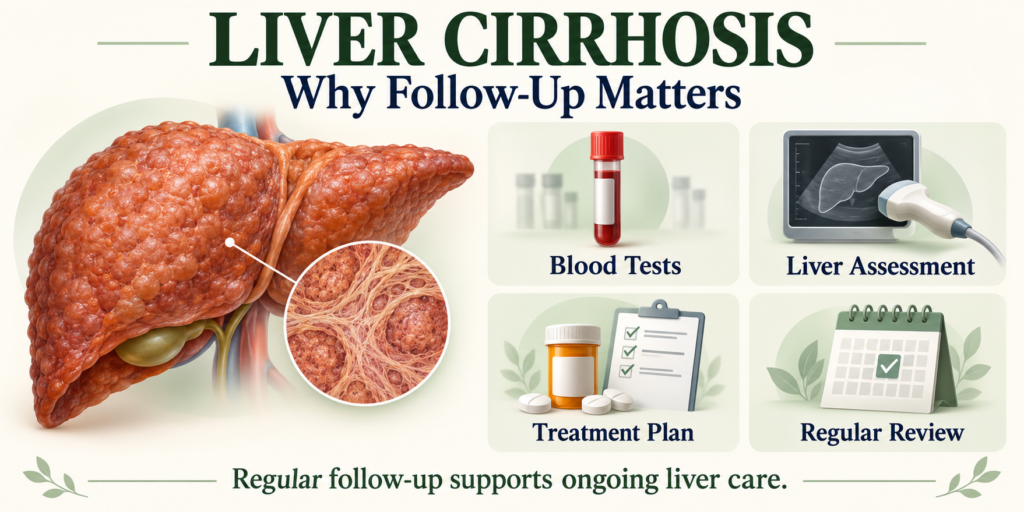
How Is Cirrhosis Assessed?
Assessment usually combines your medical history, an examination, blood tests and imaging. Your doctor will ask about alcohol, medicines, supplements, metabolic conditions and previous hepatitis results.
Blood tests can assess liver injury and function, while ultrasound may identify structural changes or fluid accumulation. Results need to be interpreted together.
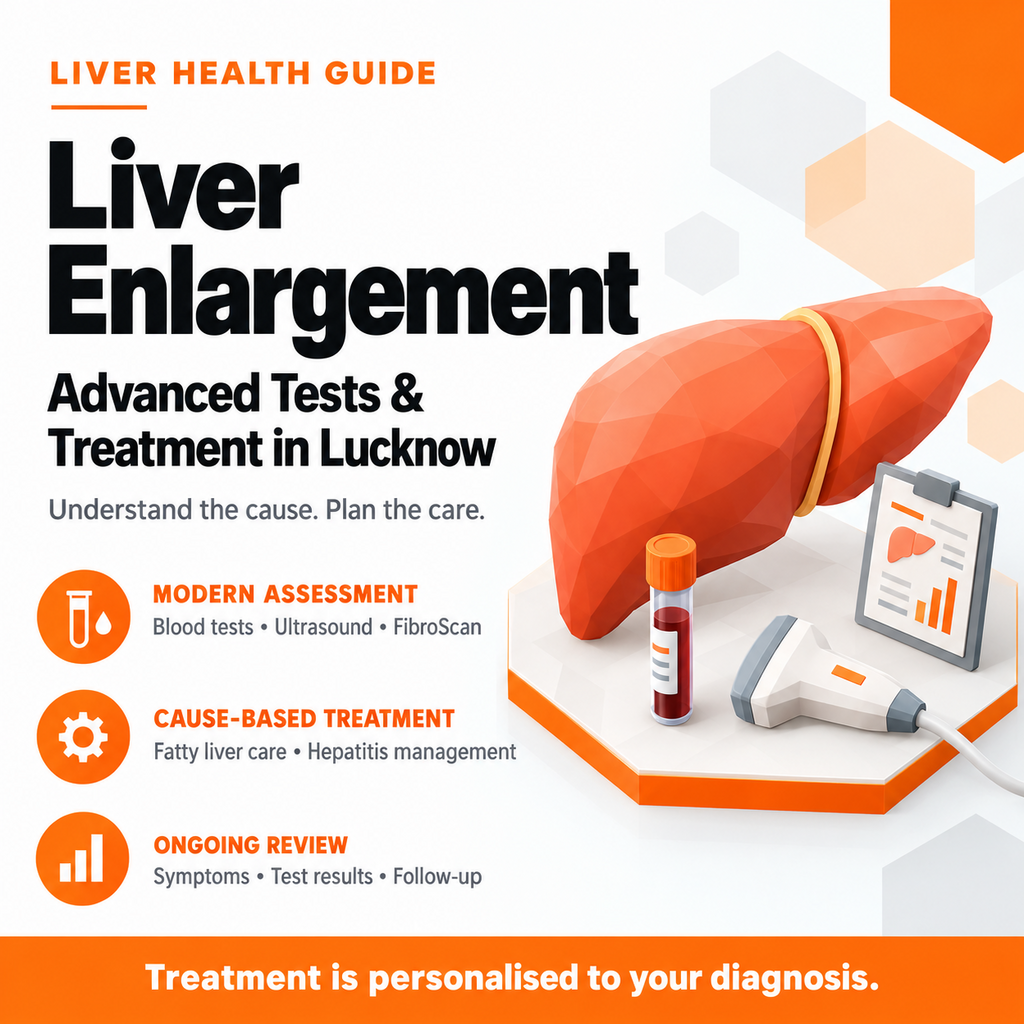
Liver elastography, including techniques such as FibroScan, measures stiffness to help assess fibrosis. It is an assessment tool, not a treatment that removes scar tissue. Other imaging or a liver biopsy may be appropriate when the diagnosis or cause remains uncertain.
Bring earlier reports: comparing findings over time often provides more useful information than reading one result in isolation.
What Can Liver Cirrhosis Treatment Achieve?
Treatment aims to control the cause, limit further injury and manage complications. Advanced scarring does not have a guaranteed cure, but appropriate care can improve outcomes.
Treatment may include antivirals for hepatitis B or C, support to stop alcohol, or management of metabolic risk factors. The plan depends on your diagnosis.
Complications require additional care. Ascites may need prescribed medicines, dietary adjustments or drainage in selected cases. Enlarged veins may require medicines or endoscopic treatment, and hepatic encephalopathy needs specific management.
Avoid starting or stopping medication independently. Advanced disease may require assessment for liver transplantation at an appropriate specialist centre.
Why Regular Follow-Up Matters
Feeling better does not mean that cirrhosis has disappeared. Follow-up reviews help assess liver function, nutrition, treatment response and emerging complications.
Liver cancer surveillance is often recommended about every six months, commonly using ultrasound with an alpha-fetoprotein blood test. Your clinician will advise an appropriate schedule.
Monitoring for enlarged veins and other effects of portal hypertension also depends on individual risk and treatment. Not everyone needs the same endoscopy schedule.
After successful hepatitis C treatment, patients with established cirrhosis still need continued surveillance. Keep a record of appointments and ask when the next blood tests, imaging or review are due.
Everyday Care and Nutrition
Adequate calories and protein help protect muscle strength. A dietitian can tailor advice if appetite is poor, fluid retention develops or other medical conditions complicate meal planning.
Do not restrict protein without clinical advice. Smaller, regular meals and avoiding prolonged fasting may help patients at risk of malnutrition. Sodium advice should be personalised, particularly when ascites is present.
Avoid alcohol, and discuss herbal products or supplements before taking them. Bring a complete medication list to reviews.
Finding Liver Care in Lucknow
When searching for the best gastroenterologist in Lucknow, consider relevant liver expertise and access to continuing care. A consultation with Dr. Puneet Mehrotra can help clarify your diagnosis, treatment priorities and follow-up needs.
Write down questions before your visit, including which complications need monitoring, what changes require urgent help and when you should return for your next review.
Consult Dr. Puneet Mehrotra
Qualifications: MD (Medicine), DM, DNB (Gastroenterology), FACG
Specialty: Gastroenterologist, Hepatologist and Therapeutic Endoscopist
Clinic: Lucknow Gastroenterology & Gynaecology Centre
Address: B-127, Nirala Nagar, behind Ram Krishna Math, near IT College Crossing, Lucknow, Uttar Pradesh
Appointments: +91 9554554548 / +91 9415044452
Landline: 0522-2787150
Website: Lucknow Gastroenterology & Gynaecology Centre
Google Profile: View Dr. Puneet Mehrotra on Google
Call the clinic to confirm current consultation timings before visiting.