Upper GI Bleeding: Symptoms, Causes and When to Seek Emergency Medical Care
The digestive system can sometimes develop conditions that cause bleeding in the oesophagus, stomach or the first part of the small intestine. This is known as upper gastrointestinal (GI) bleeding and can range from mild bleeding to a life-threatening medical emergency.
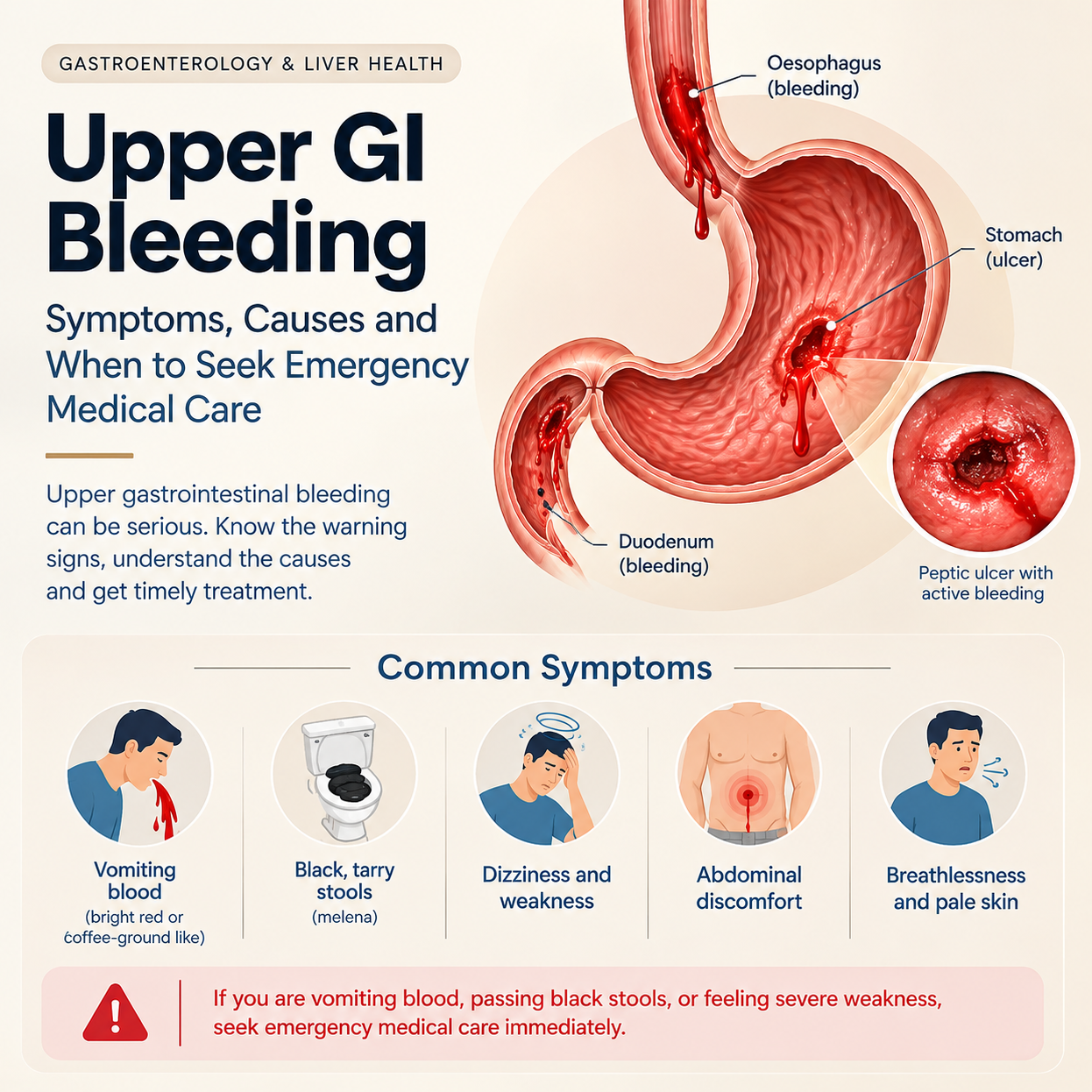
Common warning signs include vomiting blood, vomit that resembles coffee grounds, and black, tarry stools. Some patients may also experience dizziness, weakness, breathlessness or fainting due to blood loss.
Recognising these symptoms early is essential because severe gastrointestinal bleeding can lead to dangerously low blood pressure and shock.
If you are searching for the Best Gastroenterologist in Lucknow for digestive health concerns, understanding the warning signs of upper GI bleeding can help you recognise when urgent medical attention is necessary.
Important: If you are vomiting blood, passing black, tarry stools with weakness or dizziness, or experiencing fainting or severe symptoms, seek emergency medical care immediately. Do not wait for a routine appointment with a specialist.
What Is Upper Gastrointestinal Bleeding?
Upper GI bleeding occurs when blood enters the digestive tract from a source in the upper gastrointestinal system, usually the oesophagus, stomach or duodenum.
The duodenum is the first part of the small intestine, located immediately after the stomach.
The amount of bleeding can vary. In some cases, it develops gradually and causes fatigue or anaemia. In others, bleeding can occur suddenly and result in significant blood loss.
Upper GI bleeding is a symptom of an underlying condition rather than a disease itself. Identifying the source of bleeding is essential for selecting the appropriate treatment.
Common Symptoms of Upper GI Bleeding
The symptoms depend on the source, amount and speed of bleeding.
1. Vomiting Blood
Vomiting blood is medically known as haematemesis. The blood may appear bright red or dark brown.
Sometimes, the vomit resembles coffee grounds because the blood has been exposed to stomach acid.
Vomiting blood requires urgent medical assessment, even if the bleeding appears to have stopped.
2. Black, Tarry Stools
Black, sticky or tar-like stools, known as melena, can indicate bleeding in the upper digestive tract.
The dark colour develops as blood is digested while passing through the gastrointestinal system.
Certain medicines and supplements, including iron tablets and bismuth-containing products, can also darken stools. However, black, tarry stools should not automatically be attributed to medication or food, especially when accompanied by weakness, abdominal pain or dizziness.
3. Dizziness and Weakness
Blood loss can reduce the amount of blood circulating in the body. This may cause weakness, light-headedness, rapid heartbeat or fainting.
These symptoms may indicate significant bleeding and require emergency assessment.
4. Abdominal Discomfort
Some people experience pain or discomfort in the upper abdomen, particularly when bleeding is associated with gastritis or peptic ulcers.
However, serious bleeding can occur without significant abdominal pain.
5. Breathlessness and Pale Skin
Substantial or prolonged blood loss can cause anaemia. Symptoms may include fatigue, pale skin, breathlessness and reduced exercise tolerance.
Sudden breathlessness, fainting or marked weakness in someone with suspected GI bleeding requires emergency medical attention.
What Causes Upper GI Bleeding?
Several conditions can cause bleeding in the upper digestive tract.
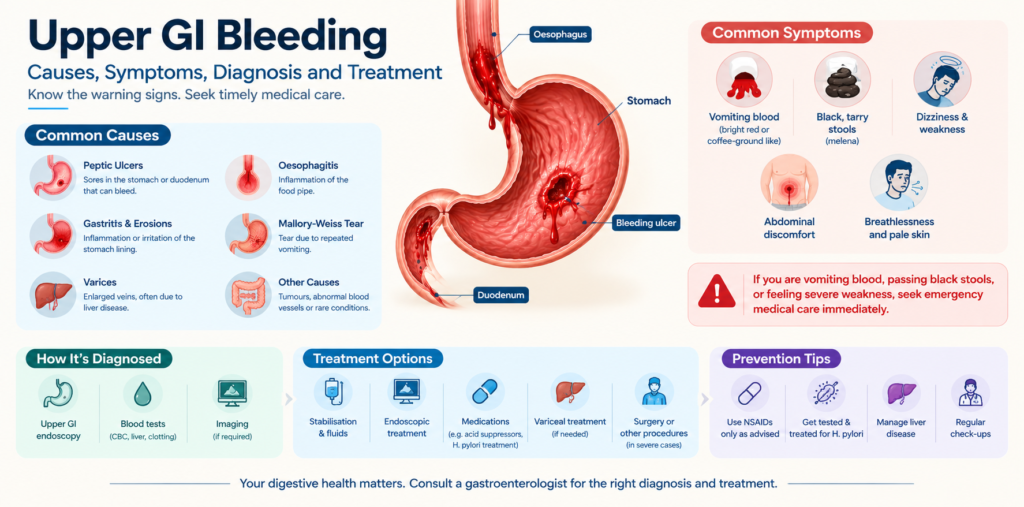
1. Peptic Ulcers
Peptic ulcers are sores that develop in the lining of the stomach or duodenum. They are common causes of upper GI bleeding.
Potential causes include Helicobacter pylori infection and the use of non-steroidal anti-inflammatory drugs (NSAIDs), such as ibuprofen and naproxen.
If an ulcer damages an underlying blood vessel, it can cause bleeding that ranges from mild to severe.
2. Gastritis and Erosions
Gastritis refers to inflammation of the stomach lining. In some cases, inflammation or erosions can cause bleeding.
Possible contributing factors include certain medications, infections and other forms of stomach lining injury.
3. Oesophageal or Gastric Varices
Varices are enlarged veins that may develop in the oesophagus or stomach, commonly in people with advanced liver disease and portal hypertension.
These veins can rupture and cause severe, potentially life-threatening bleeding.
A person with known cirrhosis who vomits blood or passes black stools needs emergency care.
4. Oesophagitis
Inflammation of the oesophagus may result from acid reflux, certain medications or other conditions. Severe inflammation can sometimes cause bleeding.
5. A Tear After Repeated Vomiting
Repeated or forceful vomiting can cause a tear in the lining near the junction of the oesophagus and stomach. This is known as a Mallory-Weiss tear and can result in vomiting blood.
6. Other Causes
Less commonly, upper GI bleeding may result from abnormal blood vessels, tumours or other digestive tract conditions.
The exact cause must be determined through appropriate clinical assessment and investigations.
Who Is at Greater Risk?
The risk of upper GI bleeding may be higher in people who have:
- A history of peptic ulcers or previous gastrointestinal bleeding.
- Chronic liver disease or cirrhosis.
- Regular use of NSAIDs or certain other medicines that increase bleeding risk.
- Infection with H. pylori.
- Significant alcohol-related health problems.
- Conditions affecting blood clotting.
Not everyone with these risk factors will develop bleeding. However, knowing your medical history and reviewing medicines with a healthcare professional can help identify and manage potential risks.
Do not stop prescribed blood-thinning medicines without medical advice, even if you are concerned about bleeding.
How Is Upper GI Bleeding Diagnosed?
Diagnosis focuses on assessing the severity of blood loss, identifying the source and determining the appropriate treatment.
1. Medical History and Physical Examination
The medical team will ask about symptoms, medicines, previous ulcers, liver disease and the appearance of vomit or stools.
Vital signs, including blood pressure and heart rate, help assess the patient’s condition.
2. Blood Tests
Blood tests may include a complete blood count, kidney function tests, liver function tests and clotting studies.
These investigations help assess anaemia, organ function and the severity of the illness. In acute bleeding, initial haemoglobin results may not fully reflect the amount of blood lost.
3. Upper GI Endoscopy
Upper GI endoscopy is a key investigation for many cases of upper gastrointestinal bleeding.
A thin, flexible instrument with a camera is passed through the mouth to examine the oesophagus, stomach and duodenum.
Endoscopy can help identify ulcers, varices, tears and other sources of bleeding. It may also allow treatment during the same procedure, depending on the cause.
4. Additional Investigations
Some patients may require imaging or other specialised investigations when endoscopy does not identify the source or when bleeding continues.
The medical team determines the appropriate tests according to the patient’s condition.
How Is Upper GI Bleeding Treated?
Treatment depends on the amount of bleeding, the underlying cause and the patient’s overall condition.
1. Emergency Stabilisation
Patients with significant bleeding may need hospital admission, intravenous fluids, blood tests and close monitoring.
Blood transfusion may be required in selected cases, depending on the severity of blood loss and the patient’s clinical condition.
2. Endoscopic Treatment
During endoscopy, doctors may use techniques such as clips, thermal therapy or injection methods to control bleeding from suitable sources.
Bleeding varices may require specialised endoscopic treatment, such as band ligation, depending on the location and clinical circumstances.
3. Medicines
Treatment may include acid-suppressing medication for certain ulcer-related bleeds. Other medicines may be used for specific causes, including suspected variceal bleeding.
If H. pylori infection is identified, a suitable eradication regimen may be prescribed.
Medication selection depends on the source of bleeding and the patient’s condition.
4. Treatment for Liver-Related Bleeding
Bleeding from oesophageal or gastric varices requires urgent hospital management. Treatment may involve specific medicines, endoscopic procedures and additional interventions when necessary.
5. Further Procedures or Surgery
If bleeding cannot be controlled through initial treatment, additional procedures such as angiographic embolisation or surgery may be required in selected cases.
The main goals are to stop the bleeding, stabilise the patient and treat the underlying cause.
Can Upper GI Bleeding Be Prevented?
Not every episode can be prevented, but certain steps may help reduce risk.
- Take NSAIDs and other medicines only as advised by a healthcare professional.
- Seek appropriate testing and treatment if H. pylori infection is suspected or confirmed.
- Follow medical advice for peptic ulcers and other digestive conditions.
- If you have cirrhosis or portal hypertension, attend recommended follow-up appointments and preventive treatment.
- Avoid self-medicating persistent abdominal pain or repeatedly ignoring warning symptoms.
- Discuss any history of gastrointestinal bleeding with your doctor before starting new medicines.
Prevention should be tailored to the underlying cause and individual risk factors.
When Should You Seek Emergency Medical Care?
Do not delay emergency care if you experience any of the following:
- Vomiting fresh blood or material resembling coffee grounds.
- Black, tarry stools accompanied by weakness or other concerning symptoms.
- Fainting, severe dizziness or confusion.
- Cold, clammy skin, a rapid heartbeat or signs of shock.
- Severe weakness or breathlessness associated with suspected blood loss.
If the bleeding is severe, call your local emergency number or have someone arrange immediate transport to an emergency department. Do not drive yourself if you feel faint or unstable.
A routine gastroenterology appointment is not a substitute for emergency treatment when active bleeding is suspected.
Frequently Asked Questions
1. Is upper GI bleeding dangerous?
It can be. Some cases are limited, while others cause severe blood loss and shock. Vomiting blood or signs of significant bleeding require immediate medical assessment.
2. Can a stomach ulcer cause vomiting blood?
Yes. A peptic ulcer can damage a blood vessel and cause bleeding. The severity varies, and urgent assessment is necessary if blood appears in vomit.
3. What do black stools indicate?
Black, tarry stools may indicate digested blood from the upper digestive tract. Iron supplements and some medicines can also darken stools, so suspected bleeding should be assessed rather than self-diagnosed.
4. Is endoscopy necessary for every patient with upper GI bleeding?
Not necessarily in every situation, but upper GI endoscopy is a major diagnostic and treatment tool for many patients. The timing depends on the patient’s stability, suspected cause and clinical assessment.
5. Can upper GI bleeding stop on its own?
Some bleeding episodes may stop temporarily, but this does not mean the underlying problem is safe. Rebleeding can occur, so urgent medical evaluation is important when bleeding is suspected.
6. Which doctor treats upper gastrointestinal bleeding?
A gastroenterologist may evaluate and treat upper GI bleeding, often working with emergency physicians and hospital teams. Significant active bleeding requires emergency hospital care rather than waiting for an outpatient consultation.
7. Where can I consult a gastroenterologist in Lucknow?
Dr. Puneet Mehrotra provides gastroenterology and hepatology consultations at Lucknow Gastro & Gynae Centre in Nirala Nagar, Lucknow. However, suspected active GI bleeding should be assessed in an emergency department immediately.
Conclusion
Upper gastrointestinal bleeding can be caused by peptic ulcers, gastritis, varices, oesophageal tears and other digestive tract conditions. Vomiting blood, coffee-ground-like vomit and black, tarry stools are important warning signs that should never be ignored.
Prompt medical assessment helps identify the cause, control bleeding and reduce the risk of serious complications.
If you are looking for the Best Gastroenterologist in Lucknow for ongoing digestive or liver concerns, a specialist consultation can help you understand your symptoms and appropriate investigations. Remember, suspected active bleeding requires emergency care first.
Consult Dr. Puneet Mehrotra – Gastroenterologist and Hepatologist in Lucknow
Dr. Puneet Mehrotra holds qualifications including MD (Medicine), DM (Gastroenterology), DNB (Gastroenterology) and FACG. He provides specialist consultations for digestive, gastrointestinal and liver conditions.
Clinic: Lucknow Gastro & Gynae Centre
Address: B-127, Nirala Nagar, Behind Ram Krishna Math, Near IT College Crossing, Lucknow, Uttar Pradesh.
Appointment Numbers:
- +91 9554554548
- +91 9415044452
- 0522-2787150
Consultation Timings: 9:00 AM – 4:00 PM daily, as listed on the clinic website. Please confirm availability before visiting.
Website: https://lggclucknow.in/
Patients can contact the clinic for appointment enquiries regarding digestive disorders, liver conditions and gastroenterology consultations.
Important: If you are vomiting blood or experiencing signs of severe blood loss, go to the nearest emergency department immediately rather than waiting for a clinic appointment.