Can Fatty Liver Turn Into Liver Cirrhosis? Stages, Warning Signs and Prevention
Fatty liver disease is becoming increasingly common due to factors such as obesity, diabetes, insulin resistance, and metabolic health problems. In many people, fatty liver causes no noticeable symptoms during its early stages. However, when liver inflammation and damage develop over time, the condition can progress to fibrosis and, in some cases, liver cirrhosis.
Understanding the connection between fatty liver, liver fibrosis, and cirrhosis is important for protecting long-term liver health. If you are searching for the best Gastroenterologist in Lucknow for liver-related concerns, consulting an experienced specialist can help you understand your risk, arrange appropriate investigations, and develop a suitable management plan.
Dr. Puneet Mehrotra is a Gastroenterologist and Hepatologist in Lucknow who evaluates digestive and liver-related conditions. This article explains how fatty liver can progress, which warning signs to recognize, and what steps may help protect your liver.
What Is Fatty Liver Disease?
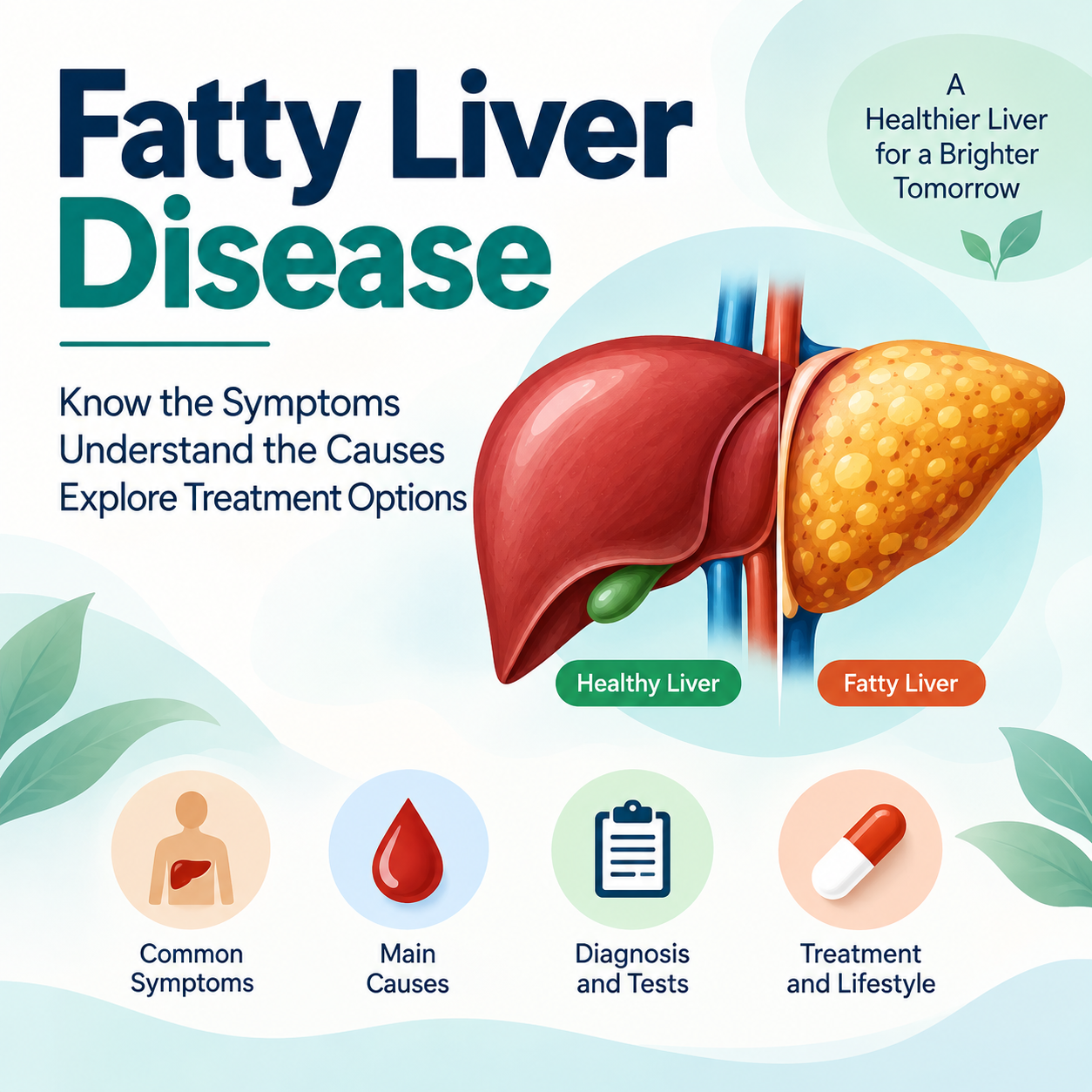
Fatty liver disease occurs when excess fat accumulates in liver cells. It is commonly associated with obesity, type 2 diabetes, high cholesterol, high triglycerides, and insulin resistance. Alcohol-related liver disease is another important cause of excess liver fat and liver injury.
Metabolic dysfunction-associated steatotic liver disease (MASLD) is the current medical term for fatty liver associated with metabolic risk factors.
Fat accumulation does not automatically mean that the liver is permanently damaged. Many people have simple steatosis without significant inflammation or fibrosis. However, some develop progressive liver injury that requires medical assessment and follow-up.
Can Fatty Liver Turn Into Liver Cirrhosis?
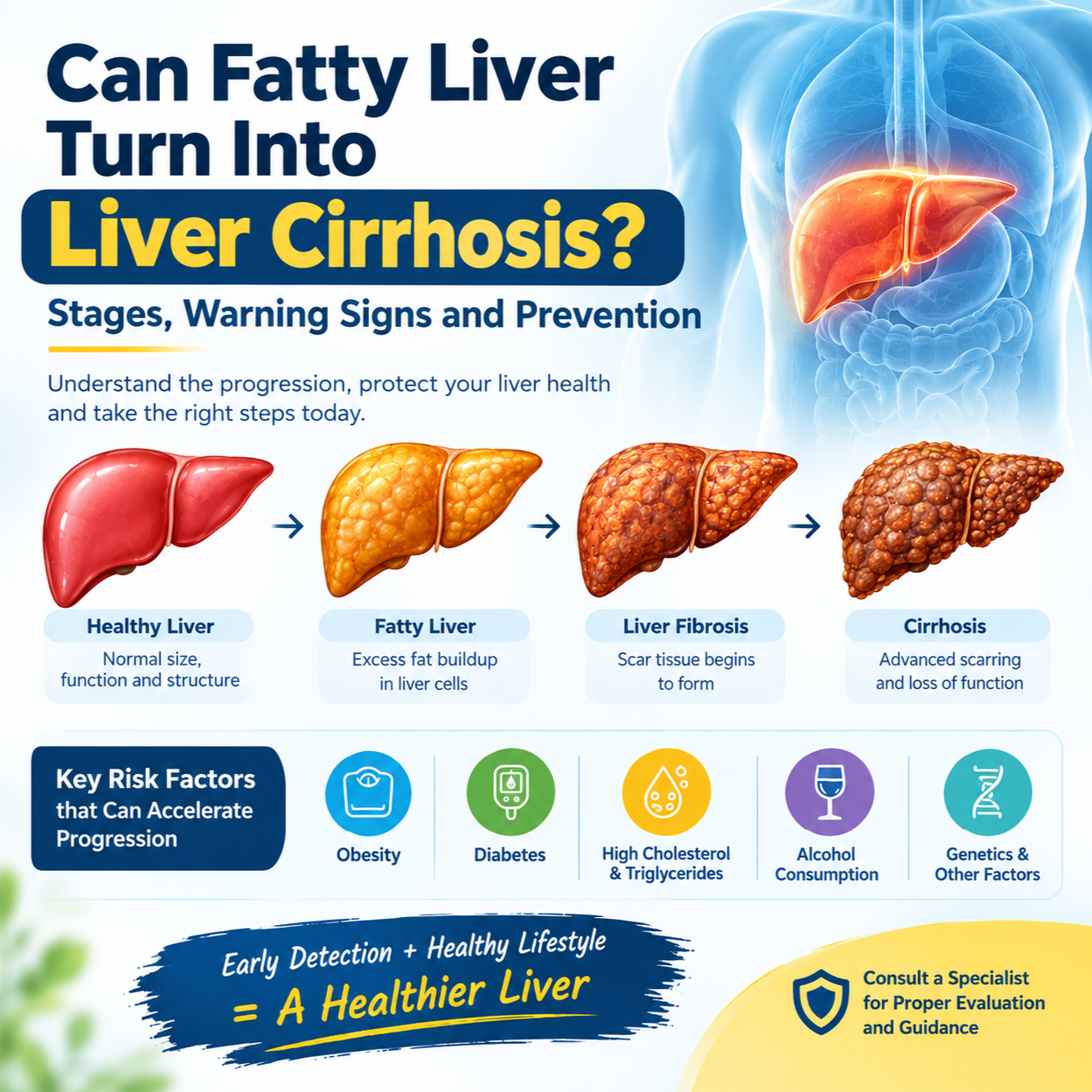
Yes. In some people, fatty liver disease can progress through several stages of liver damage. This progression is not inevitable, and many people never develop cirrhosis.
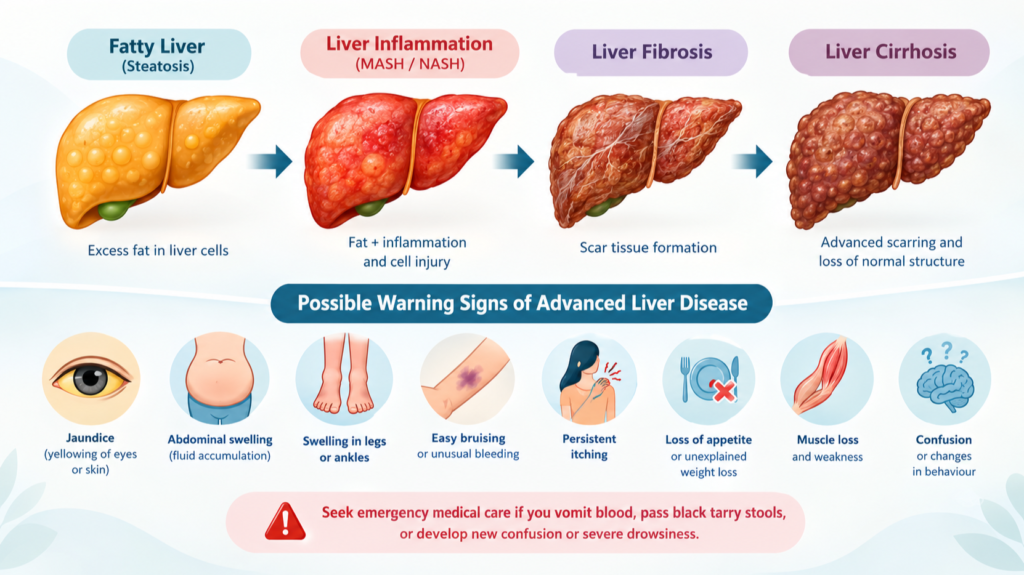
The general progression may involve:
Stage 1: Simple fatty liver
Fat accumulates inside liver cells. Many people have no symptoms, and liver function tests may be normal.
Stage 2: Liver inflammation and injury
Some people develop metabolic dysfunction-associated steatohepatitis (MASH), previously known as NASH. This condition involves liver fat along with inflammation and liver cell injury.
Stage 3: Liver fibrosis
Repeated liver injury can lead to the formation of scar tissue. The amount of fibrosis can range from mild to advanced.
Stage 4: Liver cirrhosis
Advanced scarring changes the liver’s structure and can interfere with its normal functions. Cirrhosis can lead to serious complications, including fluid accumulation in the abdomen, internal bleeding, and liver failure.
Not everyone moves through these stages. The risk depends on factors such as diabetes, obesity, alcohol use, genetics, and the degree of existing liver damage.
What Is the Difference Between Liver Fibrosis and Cirrhosis?
Liver fibrosis refers to scar tissue that develops when the liver is repeatedly injured. Cirrhosis represents an advanced stage of scarring that significantly alters the liver’s structure.
Early fibrosis may improve when the underlying cause of liver injury is effectively addressed. Advanced cirrhosis is more difficult to reverse and requires careful medical management.
This is why identifying liver fibrosis before advanced damage develops is important.
What Are the Warning Signs of Advanced Liver Disease?
Early fatty liver disease often causes no specific symptoms. Some people experience fatigue or vague discomfort in the upper right abdomen, but these symptoms are not reliable indicators of disease severity.
As liver disease progresses, possible warning signs include:
- Yellowing of the eyes or skin, known as jaundice.
- Swelling of the abdomen due to fluid accumulation.
- Swelling of the legs or ankles.
- Easy bruising or unusual bleeding.
- Persistent itching.
- Loss of appetite or unexplained weight loss.
- Muscle loss and increasing weakness.
- Confusion, unusual sleepiness, or changes in behaviour.
These symptoms do not all have the same causes, and they should not be used to diagnose cirrhosis without medical evaluation.
Seek emergency medical care if you vomit blood, pass black tarry stools, or develop new confusion or severe drowsiness.
Who Is at Greater Risk of Fatty Liver Progression?
Certain health conditions and lifestyle factors can increase the likelihood of progressive liver damage.
1. Type 2 Diabetes
Diabetes and insulin resistance are strongly associated with metabolic fatty liver disease. People with diabetes may have a greater risk of developing significant liver fibrosis.
2. Excess Body Weight
Excess body fat, particularly around the abdomen, can contribute to insulin resistance and fat accumulation in the liver.
3. High Cholesterol and Triglycerides
Abnormal blood lipid levels often occur alongside fatty liver and other metabolic conditions.
4. Alcohol Consumption
Alcohol can cause liver injury and may add to the damage associated with metabolic fatty liver disease. People with existing liver problems should discuss alcohol use with their doctor.
5. Family History and Other Medical Factors
Genetic susceptibility and certain other health conditions may influence an individual’s risk of progressive liver disease.
Having one or more risk factors does not mean cirrhosis will develop. Appropriate assessment can help determine the level of risk.
How Is Liver Fibrosis Diagnosed?
A gastroenterologist or hepatologist may recommend different tests depending on your medical history, symptoms, and initial findings.
Blood Tests
Liver blood tests, platelet counts, and other relevant investigations can help assess liver health. Some blood-based scoring systems, such as FIB-4, use routine laboratory results and age to estimate the likelihood of advanced fibrosis.
Normal liver enzyme levels do not always exclude significant fibrosis.
Abdominal Ultrasound
An ultrasound may identify fat accumulation, liver enlargement, or features that suggest advanced liver disease. However, a routine ultrasound cannot reliably determine the stage of fibrosis on its own.
FibroScan
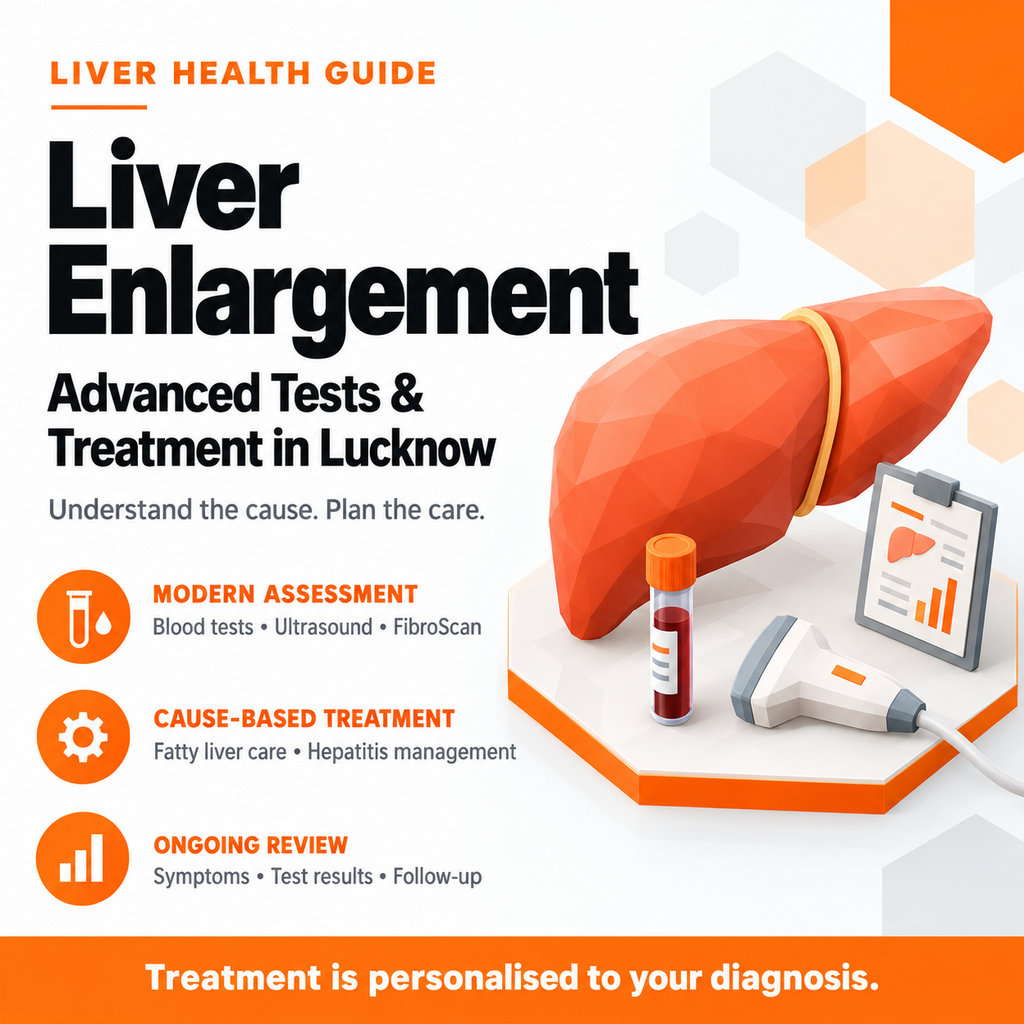
FibroScan is a non-invasive test that measures liver stiffness and, with appropriate technology, estimates liver fat. It can help assess the likelihood of significant fibrosis without requiring a liver biopsy in many patients.
Results need to be interpreted alongside the patient’s clinical information and other investigations.
CT, MRI, or Liver Biopsy
Additional imaging or a liver biopsy may be recommended in selected cases when the diagnosis or severity remains uncertain, or when the results may change treatment decisions.
Not every patient needs every test. A specialist can determine which investigations are appropriate.
Can Fatty Liver and Liver Fibrosis Be Prevented From Progressing?
Although no single intervention guarantees that liver disease will not progress, addressing its underlying causes can reduce risk and improve overall metabolic health.
1. Work Toward a Healthy Weight
For people who are overweight or have obesity, gradual, sustained weight loss can reduce liver fat and may improve inflammation and fibrosis. The appropriate target depends on individual circumstances.
Avoid crash diets and unverified liver-detox products.
2. Improve Your Diet
Choose a balanced eating pattern that includes vegetables, fruits, whole grains, legumes, and appropriate sources of protein.
Limit excess sugary drinks, highly processed foods, and foods high in added sugars and unhealthy fats.
3. Exercise Regularly
Regular physical activity can improve insulin sensitivity and metabolic health, even when substantial weight loss does not occur.
Choose activities suited to your fitness level and medical needs.
4. Manage Diabetes and Cholesterol
Work with your healthcare team to control blood sugar, blood pressure, and abnormal cholesterol or triglyceride levels.
5. Avoid Alcohol When Medically Advised
Alcohol can worsen liver injury. If you have fatty liver with fibrosis or another liver condition, discuss whether complete avoidance is necessary with your treating specialist.
6. Attend Recommended Follow-Up Appointments
People with significant fibrosis or cirrhosis may require regular monitoring for complications. The follow-up schedule depends on the stage of disease and individual risk.
Is Fatty Liver Treatment Different From Cirrhosis Treatment?
Yes. Treatment depends on the underlying cause and the severity of liver damage.
For uncomplicated fatty liver, management often focuses on metabolic risk factors, nutrition, physical activity, and appropriate treatment of associated conditions.
For patients with MASH and significant fibrosis, a specialist may consider additional treatment options when appropriate and available.
Cirrhosis requires a more comprehensive plan. Depending on its severity, management may include treatment of the underlying liver disease, monitoring for complications, assessment for liver cancer, and specialist care for portal hypertension or fluid accumulation.
People with decompensated cirrhosis may need urgent assessment and evaluation at a centre equipped to manage advanced liver disease.
Never start liver medicines or supplements without medical advice.
When Should You Consult a Gastroenterologist?
Consider a specialist consultation if:
- An ultrasound report shows fatty liver.
- You have diabetes, obesity, or several metabolic risk factors.
- Liver blood tests remain abnormal.
- A test suggests possible liver fibrosis.
- You have a family history of significant liver disease.
- You develop jaundice, abdominal swelling, or other concerning symptoms.
If you are looking for the best Gastroenterologist in Lucknow, choose a specialist who can assess your medical history, interpret relevant test results, and recommend appropriate investigations and follow-up.
Consult Dr. Puneet Mehrotra for Liver Health in Lucknow
Dr. Puneet Mehrotra is a Gastroenterologist and Hepatologist with qualifications including MD (Medicine), DM (Gastroenterology) from SGPGIMS, DNB (Gastroenterology), and FACG.
For concerns about fatty liver, liver fibrosis, abnormal liver tests, or possible cirrhosis, a specialist consultation can help determine the next steps in evaluation and management.
Doctor: Dr. Puneet Mehrotra
Speciality: Gastroenterologist & Hepatologist
Clinic: Lucknow Gastro & Gynae Centre (LGGC)
Address: B-127, Nirala Nagar, behind Ram Krishna Math, near IT College Crossing, Lucknow, Uttar Pradesh.
Consultation timings: 9:00 AM–4:00 PM daily
Appointment contact numbers:
- 9554554548
- 9415044452
- 0522-2787150
If you have previous liver blood tests, ultrasound reports, or FibroScan results, bring them to your consultation.
Frequently Asked Questions
1. Can every case of fatty liver progress to cirrhosis?
No. Many people with fatty liver never develop cirrhosis. Progression depends on the underlying cause, metabolic risk factors, genetic susceptibility, and the degree of liver inflammation and fibrosis.
2. Can liver fibrosis be reversed?
Some stages of liver fibrosis may improve when the underlying cause of liver injury is effectively treated. The extent of improvement depends on the severity of fibrosis and the patient’s overall condition.
3. Can fatty liver exist without abnormal liver enzymes?
Yes. Some people with fatty liver or even significant fibrosis have normal liver enzyme results. A doctor may recommend additional assessment based on overall risk.
4. Is FibroScan necessary for everyone with fatty liver?
No. FibroScan is useful in selected patients to assess liver stiffness and estimate fibrosis risk. Your doctor will decide whether it is needed based on your history and initial tests.
5. What is the difference between fatty liver and cirrhosis?
Fatty liver involves excess fat in liver cells. Cirrhosis involves advanced scarring and structural changes that can interfere with liver function. Fatty liver does not automatically progress to cirrhosis.
6. Which doctor should I consult for fatty liver in Lucknow?
A gastroenterologist or hepatologist can assess fatty liver, evaluate fibrosis risk, and guide treatment and follow-up. Dr. Puneet Mehrotra provides gastroenterology and hepatology consultations in Lucknow.
Conclusion
Fatty liver is common, but its potential progression to inflammation, fibrosis, and cirrhosis should not be overlooked. Early assessment, appropriate testing, management of metabolic conditions, and regular follow-up can help identify patients who need closer care.
If you have been diagnosed with fatty liver or are concerned about liver fibrosis, consult a qualified specialist to understand your individual risk and the most appropriate next steps.
For a liver health consultation in Lucknow, contact Dr. Puneet Mehrotra at Lucknow Gastro & Gynae Centre using the details provided above.