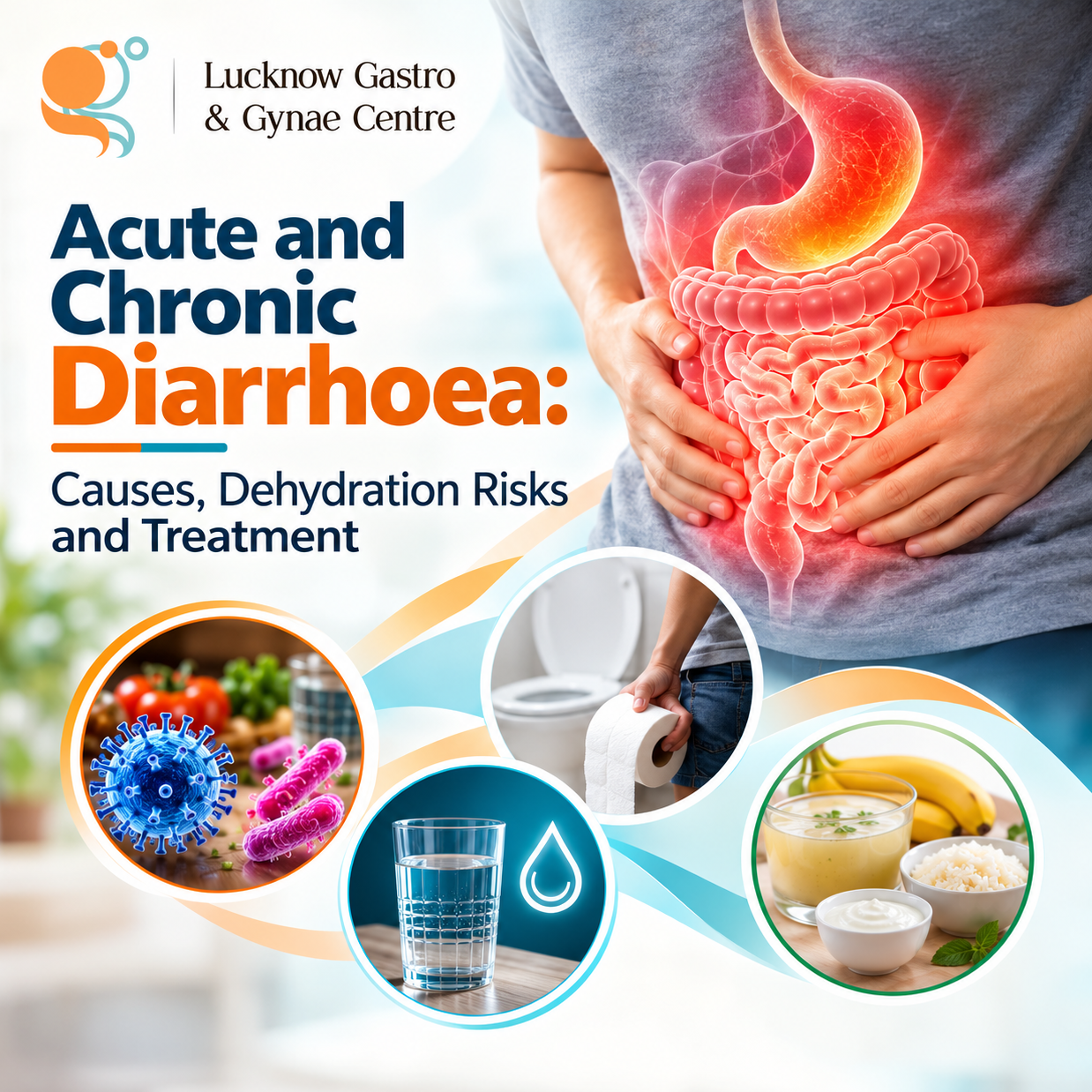
Acute and Chronic Diarrhoea: Causes, Dehydration Risks and Treatment
Diarrhoea is a common digestive problem that can affect people of all ages. It is usually characterised by frequent passage of loose or watery stools and may occur because of infections, contaminated food or water, medication side effects, or underlying digestive disorders. While acute diarrhoea often resolves within a few days, chronic diarrhoea may indicate a condition that requires detailed medical evaluation.
One of the most important complications of diarrhoea is dehydration, which occurs when the body loses more fluids and electrolytes than it replaces. Recognising the warning signs and understanding the appropriate treatment can help prevent complications.
If diarrhoea is persistent, recurrent, associated with blood in the stool, or accompanied by unexplained weight loss, consulting a qualified gastroenterologist can help identify the underlying cause.
What Is Diarrhoea?
Diarrhoea generally refers to passing three or more loose or watery stools in a day, or stools that are more frequent and looser than normal for an individual.
It may be accompanied by abdominal cramps, bloating, nausea, vomiting, fever, or an urgent need to use the toilet. The severity depends on the cause, duration, and amount of fluid lost.
Diarrhoea is commonly classified according to how long it lasts:
- Acute diarrhoea: Usually lasts less than two weeks and is often associated with infections or food-related illness.
- Persistent diarrhoea: Continues for 14 days or longer.
- Chronic diarrhoea: Generally lasts four weeks or longer and may be linked to an underlying digestive, inflammatory, or absorption-related condition.
Understanding the duration and associated symptoms helps a doctor decide whether investigations or specific treatment are necessary.
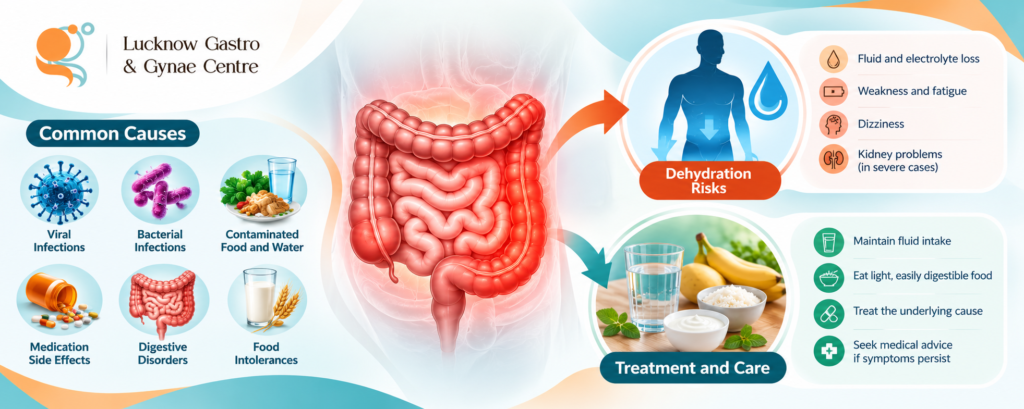
What Causes Acute Diarrhoea?
Acute diarrhoea often develops suddenly. In many cases, it improves within a few days, but certain infections can cause more severe illness.
1. Viral Infections
Viruses such as norovirus and rotavirus can cause intestinal infections. Symptoms may include watery stools, abdominal cramps, nausea, vomiting, and sometimes fever.
Viral infections can spread through contaminated food, water, surfaces, or close contact with an infected person.
2. Bacterial Infections
Bacteria such as Salmonella, Campylobacter, and certain strains of E. coli can cause diarrhoea, particularly after consuming contaminated food or water.
Some bacterial infections may cause fever, severe abdominal pain, or blood in the stool. These symptoms require medical assessment.
3. Contaminated Food and Water
Poor food handling, inadequately cooked food, unsafe drinking water, and poor sanitation can increase the risk of gastrointestinal infections.
Travellers may also develop diarrhoea after exposure to unfamiliar food or water sources.
4. Medication Side Effects
Certain medicines, including antibiotics and some antacids containing magnesium, can cause diarrhoea. Antibiotic use may also increase the risk of Clostridioides difficile infection, which can sometimes be serious.
Do not stop prescribed medicines without medical advice. Contact your doctor if diarrhoea begins after starting a new medicine or taking antibiotics.
What Causes Chronic Diarrhoea?
Chronic diarrhoea may have several possible causes. Identifying the underlying condition is important because treatment depends on the diagnosis.
1. Irritable Bowel Syndrome (IBS)
Some people with diarrhoea-predominant irritable bowel syndrome experience recurring loose stools, abdominal discomfort, and changes in bowel habits. Symptoms may fluctuate over time.
Evaluation by a gastroenterologist can help distinguish IBS from conditions that require different treatment.
2. Inflammatory Bowel Disease
Conditions such as Crohn’s disease and ulcerative colitis cause inflammation in the digestive tract. They may lead to persistent diarrhoea, abdominal pain, fatigue, blood in the stool, and unintended weight loss.
Ongoing symptoms require appropriate investigation and medical management.
3. Food Intolerances and Malabsorption
Some individuals have difficulty digesting or absorbing certain nutrients. Examples include lactose intolerance and coeliac disease.
Symptoms may include diarrhoea, gas, abdominal discomfort, and nutritional deficiencies. Testing and a targeted dietary approach can help identify the cause.
4. Chronic Intestinal Infections
Certain parasitic infections, including Giardia, may cause prolonged diarrhoea, bloating, and difficulties absorbing nutrients. Risk may increase after exposure to contaminated water or during travel.
The appropriate tests depend on the individual’s symptoms and exposure history.
5. Other Digestive and Medical Conditions
Chronic diarrhoea can also be associated with bile acid diarrhoea, pancreatic disorders, thyroid problems, or other medical conditions. Some medicines may contribute as well.
A doctor may review your medical history, diet, medication use, and previous investigations before recommending further tests.
How Can Diarrhoea Cause Dehydration?
The intestines absorb water and electrolytes that the body needs to function properly. During diarrhoea, excessive fluid and electrolyte losses occur through frequent watery stools and sometimes vomiting.
If these losses are not replaced, dehydration can develop. Severe dehydration may affect circulation, kidney function, and other vital processes.
People at greater risk include:
- Infants and young children
- Older adults
- People with repeated watery stools or vomiting
- Individuals who cannot drink enough fluids
- People with kidney disease, diabetes, or other significant medical conditions
Common Signs of Dehydration
Watch for the following symptoms:
- Increased thirst
- Dry mouth, lips, or tongue
- Dark yellow urine or passing urine less frequently
- Dizziness, especially when standing
- Unusual tiredness or weakness
- Sunken eyes
- Rapid heartbeat or breathing in more serious cases
Seek urgent medical attention if there is confusion, fainting, unusual drowsiness, inability to keep fluids down, very little urine, or signs of severe dehydration. Blood in the stool, severe abdominal pain, or persistent high fever also warrants prompt medical evaluation.
How Is Acute and Chronic Diarrhoea Diagnosed?
A gastroenterologist will assess the duration of symptoms, stool frequency, associated complaints, recent travel, food and water exposure, medication history, and any underlying medical conditions.
Depending on the findings, investigations may include:
1. Stool Tests
Stool testing may be recommended to identify bacteria, parasites, or other evidence of infection. It can be particularly useful when symptoms are severe, persistent, bloody, or associated with specific exposure risks.
2. Blood Tests
Blood tests may help assess dehydration, electrolyte imbalance, anaemia, inflammation, or other medical conditions.
3. Tests for Food Intolerance or Coeliac Disease
When symptoms suggest a food-related problem or malabsorption, the doctor may recommend specific tests. Do not start a gluten-free diet before coeliac testing without medical advice, as dietary changes may affect test results.
4. Colonoscopy or Other Investigations
For chronic diarrhoea, unexplained weight loss, blood in the stool, anaemia, or other warning signs, a colonoscopy or additional investigations may be needed.
Not every patient requires all these tests. The evaluation should be tailored to the symptoms and clinical findings.
What Is the Treatment for Acute Diarrhoea?
Treatment depends on the cause and severity. Many mild cases improve with appropriate fluid replacement and continued nutrition.
1. Use Oral Rehydration Solution (ORS)
ORS helps replace the water and electrolytes lost through diarrhoea. Prepare a commercial ORS sachet exactly as instructed on the packet, using the specified quantity of safe drinking water.
Take frequent small sips if you feel nauseated. Continue replacing lost fluids, and seek medical advice if dehydration symptoms persist or worsen.
People with certain medical conditions, including kidney or heart problems, may need individualised fluid advice.
2. Continue Eating as Tolerated
Once your appetite permits, resume food as tolerated. Easily tolerated meals may be more comfortable initially, but prolonged fasting is generally unnecessary.
Avoid foods or drinks that clearly worsen your symptoms. Very sugary drinks, some fruit juices, and fizzy drinks may aggravate diarrhoea in certain cases.
3. Use Medicines Only When Appropriate
Antibiotics are not needed for every episode of diarrhoea and may be harmful or ineffective when the cause is viral. A doctor may prescribe them for selected infections.
Anti-diarrhoeal medicines are also not suitable for every patient. Avoid self-medicating if you have blood in your stool, fever, severe abdominal pain, or suspected invasive infection. Children require age-appropriate medical advice before receiving such medicines.
4. Seek Medical Care When Needed
Medical evaluation is important if symptoms are severe, continue beyond a few days without improvement, recur frequently, or occur in a person at higher risk of complications.
Infants, older adults, and people with significant underlying illnesses may need earlier assessment.
How Is Chronic Diarrhoea Treated?
Chronic diarrhoea requires treatment directed at its underlying cause rather than simply suppressing bowel movements.
Possible approaches include:
- Dietary changes: Avoiding a confirmed food trigger, such as lactose in lactose intolerance, where appropriate.
- Treatment for infections: Using targeted medication when a specific infection is identified or strongly suspected.
- IBS management: Individualised dietary advice, lifestyle measures, and medication when indicated.
- Inflammatory bowel disease treatment: Specialist-directed medicines to control intestinal inflammation.
- Management of malabsorption: Treating the underlying condition and correcting nutritional deficiencies.
- Medication review: Adjusting a medicine when it is identified as a likely cause, under the prescribing clinician’s guidance.
Persistent symptoms should not be managed indefinitely with over-the-counter medicines without establishing the cause.
What Can You Do to Prevent Diarrhoea?
Simple hygiene and food-safety practices can reduce the risk of many diarrhoeal infections.
- Drink safe, treated, or properly boiled water when the safety of the water supply is uncertain.
- Wash hands thoroughly with soap before preparing or eating food and after using the toilet.
- Wash fruits and vegetables with safe water.
- Cook meat, seafood, and eggs thoroughly.
- Refrigerate perishable foods appropriately and avoid food that may have been stored unsafely.
- Use safe sanitation and maintain clean food preparation surfaces.
- Follow recommended vaccinations, including rotavirus vaccination for eligible infants.
These measures reduce risk but cannot prevent every cause of diarrhoea.
When Should You Consult a Gastroenterologist?
You should seek medical advice if diarrhoea lasts longer than expected, repeatedly returns, interferes with daily activities, or is accompanied by concerning symptoms.
Arrange a medical evaluation for:
- Diarrhoea lasting four weeks or longer
- Blood or black, tarry stools
- Unexplained weight loss
- Persistent abdominal pain
- Diarrhoea that repeatedly wakes you at night
- Signs of dehydration
- Persistent diarrhoea following antibiotic use
- Recurrent symptoms associated with fatigue or possible nutritional deficiencies
If you are searching for the Best Gastroenterologist in Lucknow, choose a qualified specialist who can evaluate your symptoms, recommend appropriate investigations, and develop an individualised treatment plan.
Consult Dr. Puneet Mehrotra for Digestive Health in Lucknow
Dr. Puneet Mehrotra is a Gastroenterologist and Hepatologist with qualifications including MD (Medicine), DM, DNB (Gastroenterology), and FACG. He evaluates and manages a range of digestive and liver conditions, including diarrhoea, IBS, intestinal disorders, and other gastrointestinal problems.
If you are experiencing persistent or recurrent diarrhoea, a consultation can help determine whether the cause is infectious, dietary, medication-related, or associated with an underlying digestive condition.
Clinic Details
Lucknow Gastro & Gynae Centre
Address: B-127, Nirala Nagar, Behind Ram Krishna Math, Near IT College Crossing, Lucknow, Uttar Pradesh – 226020.
Consultation timings: 9:00 AM – 4:00 PM, daily, according to the clinic’s published schedule. Please confirm availability before visiting.
Appointment numbers:
- +91 9554554548
- +91 9415044452
- 0522-2787150
Website: https://lggclucknow.in/
Google Business Profile: https://share.google/kRvjTthcosUIaX4aw
Frequently Asked Questions
1. How long does acute diarrhoea usually last?
Acute diarrhoea commonly improves within a few days, although the duration varies with the cause. Persistent symptoms, worsening illness, or warning signs should be assessed by a healthcare professional.
2. When is diarrhoea considered chronic?
Chronic diarrhoea generally means loose or watery stools lasting four weeks or longer. It may be associated with IBS, inflammatory bowel disease, food intolerance, malabsorption, medication effects, or other medical conditions.
3. What is the best way to prevent dehydration during diarrhoea?
ORS is an effective way to replace lost water and electrolytes. Prepare it according to the packet instructions and take frequent small sips. Severe dehydration requires urgent medical treatment.
4. Should I take antibiotics for diarrhoea?
Not necessarily. Many cases are viral or resolve without antibiotics. A doctor will determine whether antibiotics are appropriate based on symptoms, risk factors, and test results when needed.
5. Can IBS cause chronic diarrhoea?
Yes. Diarrhoea-predominant IBS can cause recurring loose stools and abdominal discomfort. However, other conditions can produce similar symptoms, so a medical assessment may be needed before attributing symptoms to IBS.
6. When should I see a gastroenterologist in Lucknow?
Consult a gastroenterologist if diarrhoea persists, repeatedly returns, or is accompanied by blood in the stool, unexplained weight loss, significant abdominal pain, or dehydration. Seek urgent care for severe symptoms.
Conclusion
Acute diarrhoea often improves within a few days, but chronic or recurrent diarrhoea may indicate an underlying condition that requires proper diagnosis. Replacing lost fluids and electrolytes is essential, while persistent symptoms should not be ignored.
Recognising dehydration early, following safe food and water practices, and seeking timely medical advice can help reduce complications and support digestive health.
For persistent diarrhoea, suspected IBS, or other digestive concerns, consult Dr. Puneet Mehrotra at Lucknow Gastro & Gynae Centre for an appropriate medical evaluation and personalised treatment guidance.
Medical disclaimer: This article is intended for general educational purposes only and does not replace a medical consultation, diagnosis, or individualised treatment advice.