Advanced Liver Enlargement Treatment in Lucknow: A Patient’s Guide to Modern Care
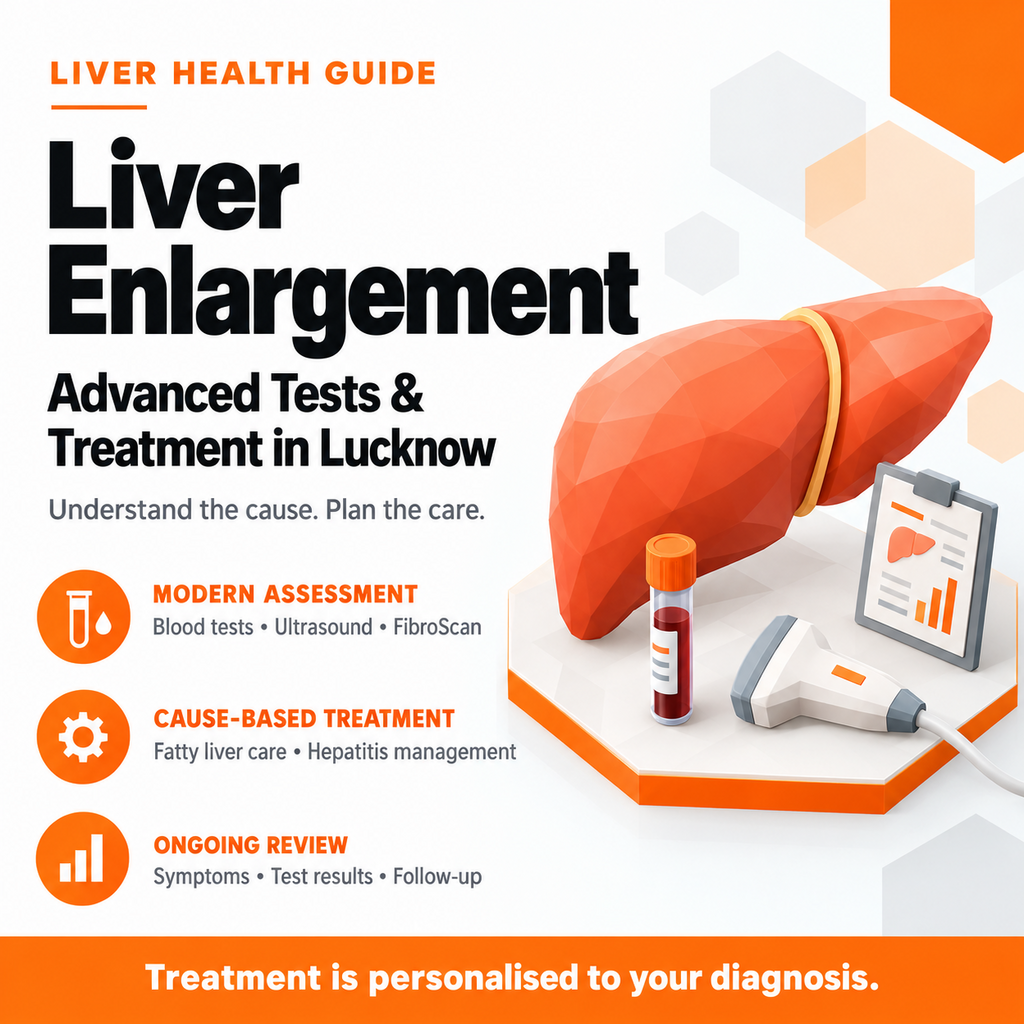
Finding “enlarged liver” on an ultrasound report can raise questions about your health. Medically called hepatomegaly, liver enlargement is a finding that needs its underlying cause identified. Modern care combines clinical assessment, targeted investigations and treatment suited to the condition responsible.
If you are searching for the best gastroenterologist in Lucknow, a consultation with Dr. Puneet Mehrotra can help you understand your reports and discuss the next steps. His clinic lists care for fatty liver, hepatitis, cirrhosis and other liver disorders.
Why Does the Liver Become Enlarged?
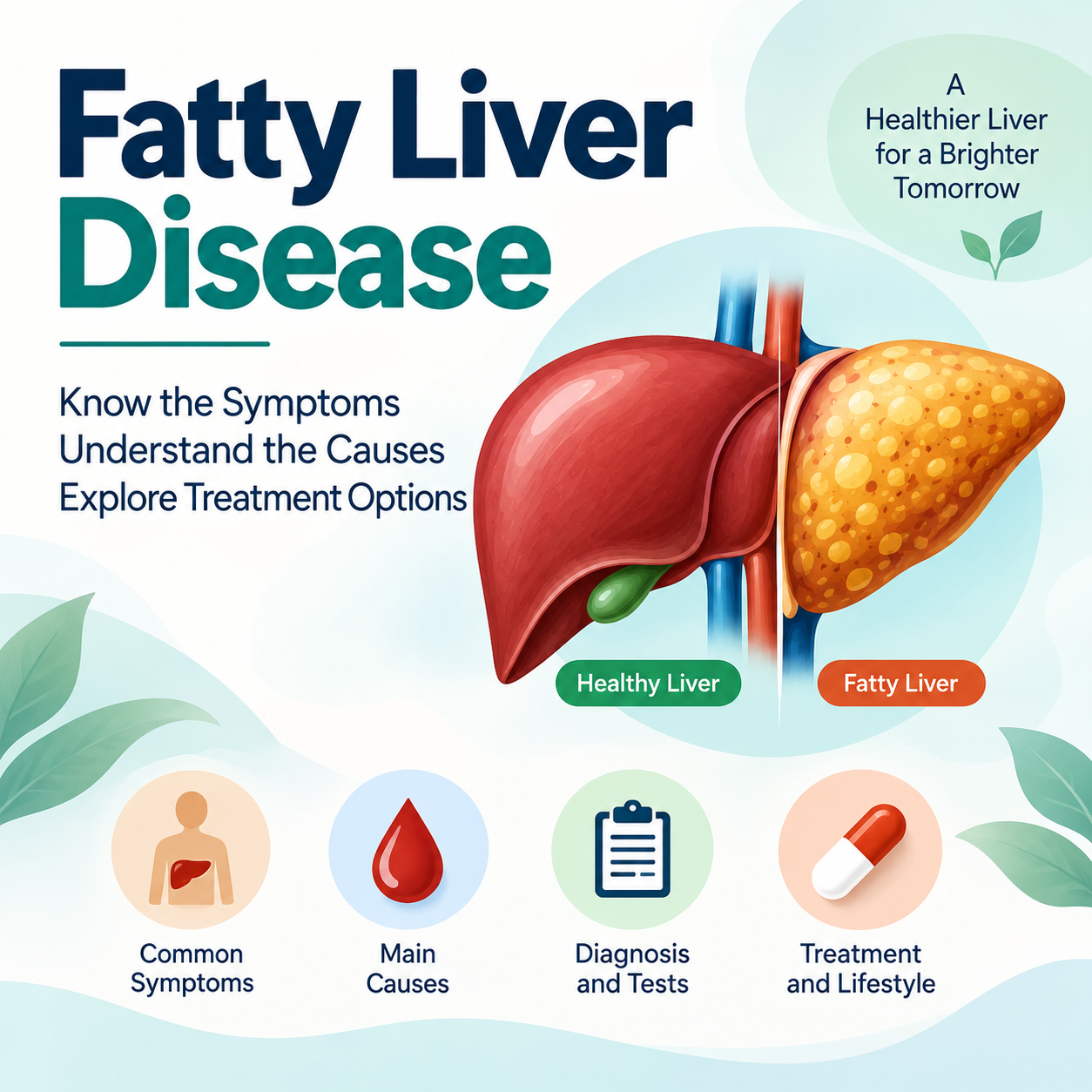
An enlarged liver may be associated with fatty liver disease, viral hepatitis, alcohol-related injury or certain medicines. Other causes include heart-related congestion, bile duct disease and liver growths.
Because these conditions require different approaches, liver enlargement treatment in Lucknow should begin with assessment. The size mentioned on a scan does not, by itself, explain the cause or determine the treatment. Bring your reports and a list of medicines and supplements to your appointment.
Symptoms That Deserve Medical Attention
Some people have no obvious symptoms. Others notice discomfort in the upper right abdomen, fullness, fatigue, nausea or reduced appetite.
Seek prompt medical care for jaundice, persistent fever or worsening symptoms. Confusion, vomiting blood or black stools require urgent assessment. These signs can indicate significant illness and should not be managed through self-treatment or online advice.
Advanced Tests That Guide Liver Treatment
Blood Tests and Fibrosis Risk Scores
Liver function tests, including ALT and AST, help assess possible liver injury. Additional investigations may check for viral hepatitis and other suspected causes.
For appropriate patients, doctors use scores such as FIB-4, calculated from age and blood-test results, to assess the risk of advanced liver scarring. These results help determine whether further testing is needed. They must be interpreted alongside your clinical history.
FibroScan and Ultrasound Elastography
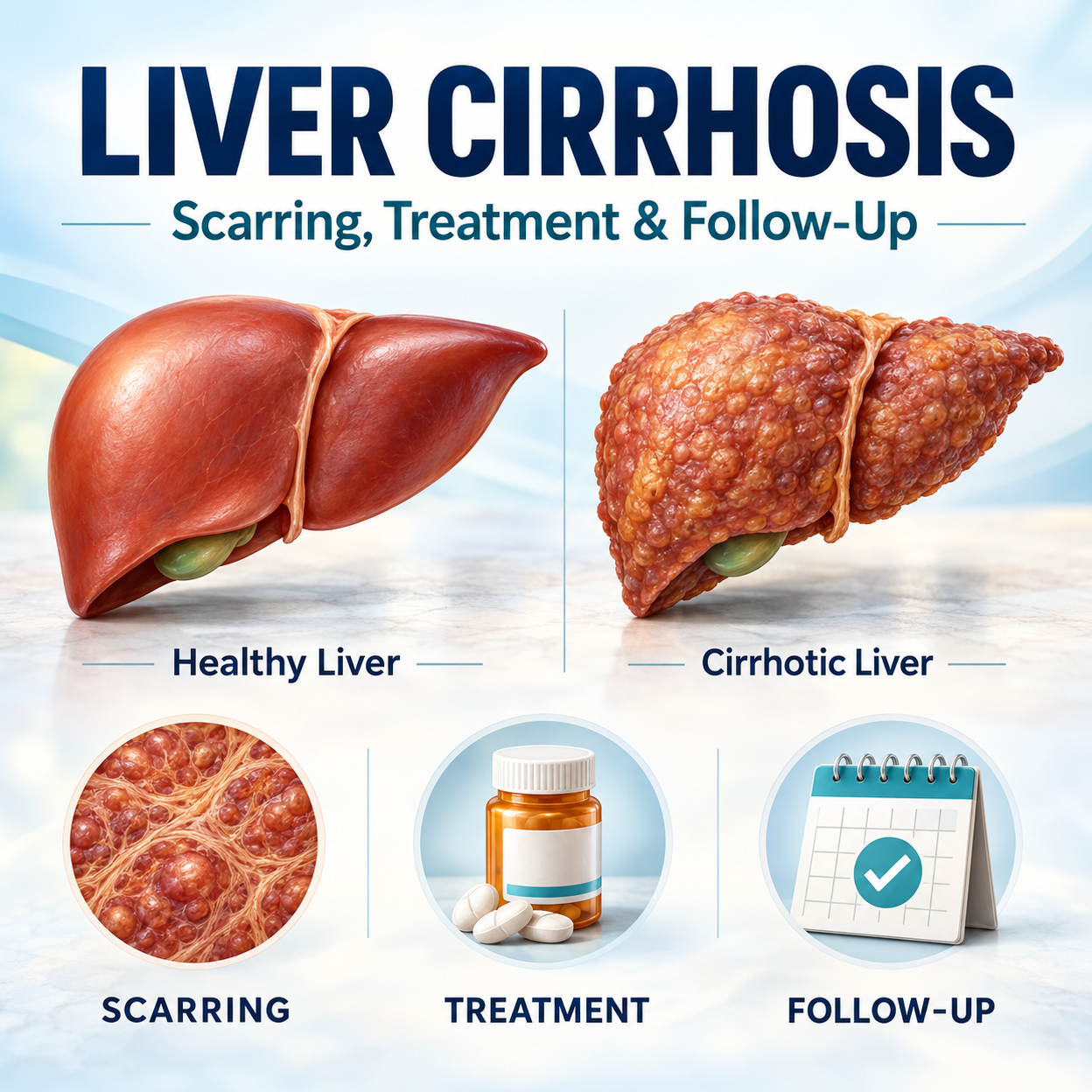
FibroScan, a form of transient elastography, measures liver stiffness using ultrasound-based technology. Increased stiffness can suggest fibrosis, or scarring. Related measurements can also help assess liver fat.
These non-invasive liver tests can support treatment planning and follow-up. They provide information beyond liver size, helping doctors assess the extent of disease. A FibroScan evaluates the liver; it is not a procedure that directly treats enlargement. Ask whether elastography would add useful information in your case.
MRI Elastography and Liver Biopsy
MRI elastography uses magnetic resonance imaging and vibrations to assess liver stiffness. It may be considered when additional information is needed.
A liver biopsy involves examining a small tissue sample. It is reserved for selected situations, such as uncertain diagnosis or when more information about inflammation and scarring would influence care. Your doctor should explain why a test is recommended and how it will affect treatment decisions.
Modern Liver Enlargement Treatment Options
Personalised Care for Fatty Liver Disease
Metabolic fatty liver disease is now commonly discussed as MASLD, or metabolic dysfunction-associated steatotic liver disease. Treatment focuses on liver health alongside weight, blood sugar and related metabolic risks.
For people who need weight reduction, gradual changes in diet and physical activity can reduce liver fat. Exercise can also help independently of weight loss. Avoid crash diets and discuss realistic goals with your doctor.
People seeking fatty liver treatment in Lucknow should ask for a practical plan that includes nutrition, activity, appropriate medicines for associated conditions and follow-up.
Newer Medicines for Selected Patients With MASH
MASH, or metabolic dysfunction-associated steatohepatitis, involves fatty liver with inflammation and liver-cell injury. Some patients also develop significant fibrosis.
International advances include US approvals of resmetirom and semaglutide for selected adults with MASH and moderate-to-advanced fibrosis without cirrhosis. These developments highlight the importance of assessing disease stage.
Eligibility depends on the diagnosis, other health conditions, potential side effects and current local approvals. Discuss suitable options with your gastroenterologist. Any prescribed medicine should form part of an individual treatment plan, alongside nutrition, physical activity and monitoring.
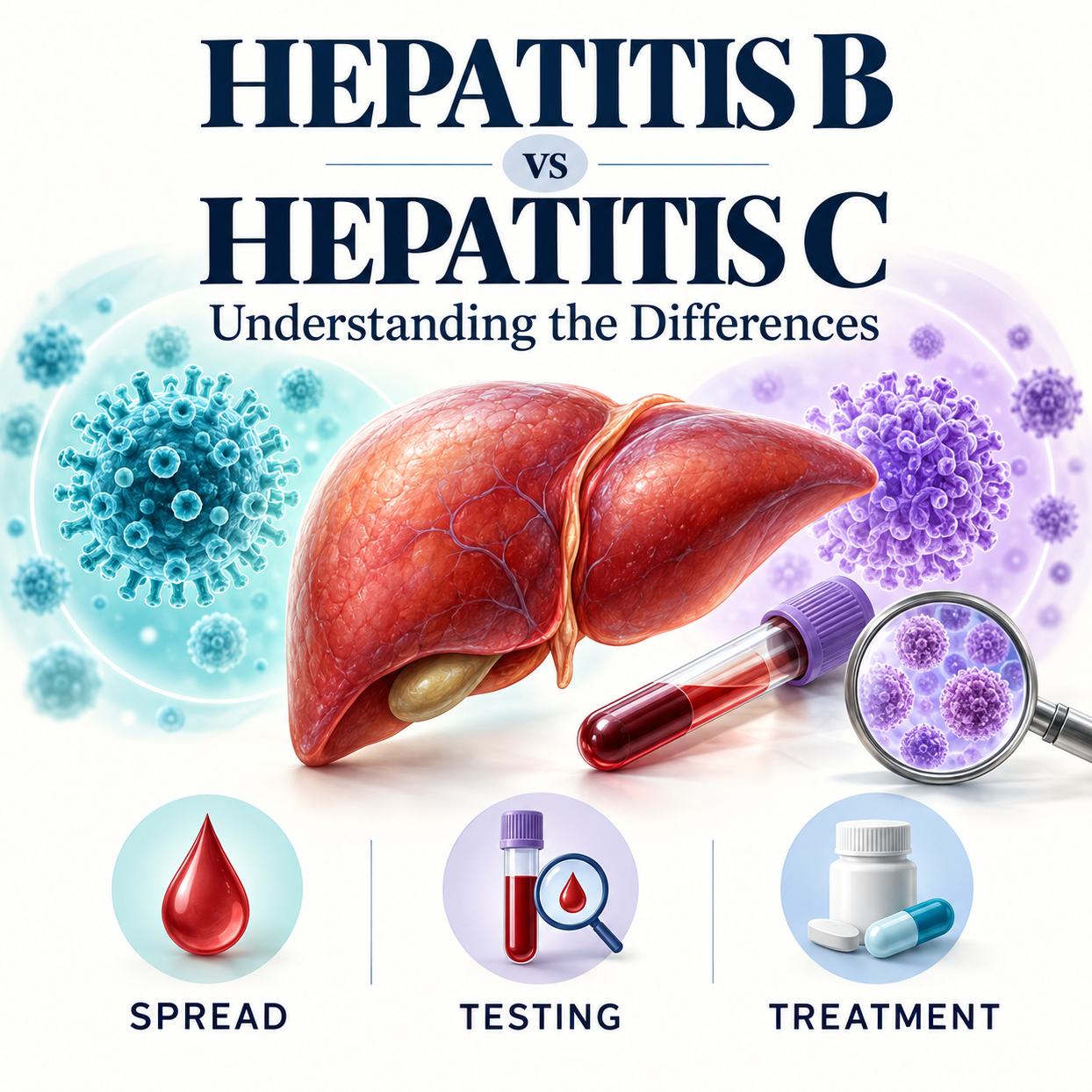
Antiviral Treatment for Hepatitis B and C
When viral hepatitis contributes to liver disease, treatment targets the infection. Selected patients with chronic hepatitis B may need antiviral medicines to reduce the risk of further liver damage.
Modern antiviral treatment can cure most hepatitis C infections. However, patients with established liver scarring may still require ongoing follow-up. Testing identifies the infection and helps guide treatment. Discuss prescriptions and monitoring with your treating doctor.
Monitoring Progress and Protecting Liver Health
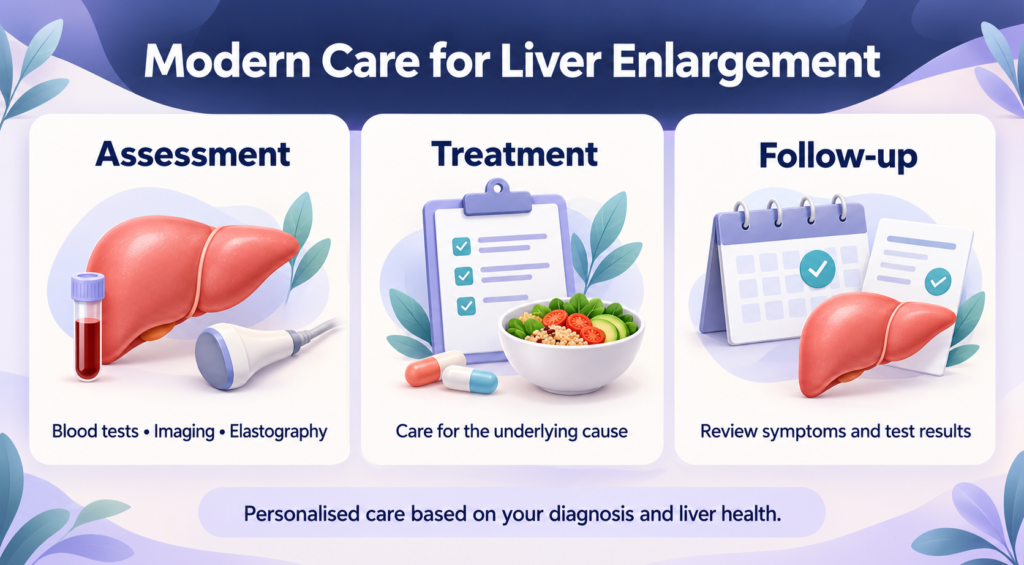
Follow-up may include blood tests, imaging or repeat elastography, depending on the diagnosis. Doctors assess changes in liver injury, scarring risk and the underlying condition, rather than relying only on liver size.
Keep appointments and share any new symptoms. Review alcohol intake and discuss supplements or herbal “liver detox” products before using them, as some can harm the liver. Ask which results will be monitored and when your next assessment is due. Ask how any prescribed treatment will be reviewed and what changes should prompt earlier contact.
Frequently Asked Questions
Can an enlarged liver return to normal?
Sometimes. Improvement depends on the cause and the extent of damage. Treating the underlying condition can help, but recovery varies between patients.
Does everyone with liver enlargement need FibroScan?
No. The appropriate tests depend on your symptoms, history and existing reports. Elastography may be useful when assessing possible liver fibrosis.
Is surgery usually needed?
Many causes are managed with medical treatment and lifestyle measures. Procedures are considered for particular conditions or complications after specialist evaluation.
Consult Dr. Puneet Mehrotra in Lucknow
For liver enlargement treatment in Lucknow, discuss your diagnosis, investigations and treatment options with Dr. Puneet Mehrotra. If you are looking for the best gastroenterologist in Lucknow, consider relevant qualifications, liver-care experience and clear communication about your needs.
Dr. Puneet Mehrotra
Qualifications: MD (Medicine), DM, DNB (Gastroenterology), FACG.
Speciality: Gastroenterologist, Hepatologist and Therapeutic Endoscopist.
Clinic: Lucknow Gastroenterology & Gynaecology Centre
Address: B-127, Nirala Nagar, behind Ram Krishna Math, near IT College Crossing, Lucknow, Uttar Pradesh.
Appointments: +91 9554554548 / +91 9415044452
Landline: 0522-2787150
Google Profile: Dr. Puneet Mehrotra on Google
Website: lggclucknow.in
Call the clinic to confirm current consultation timings before visiting.