Fatty Liver Disease: Symptoms, Causes, Diagnosis & Treatment
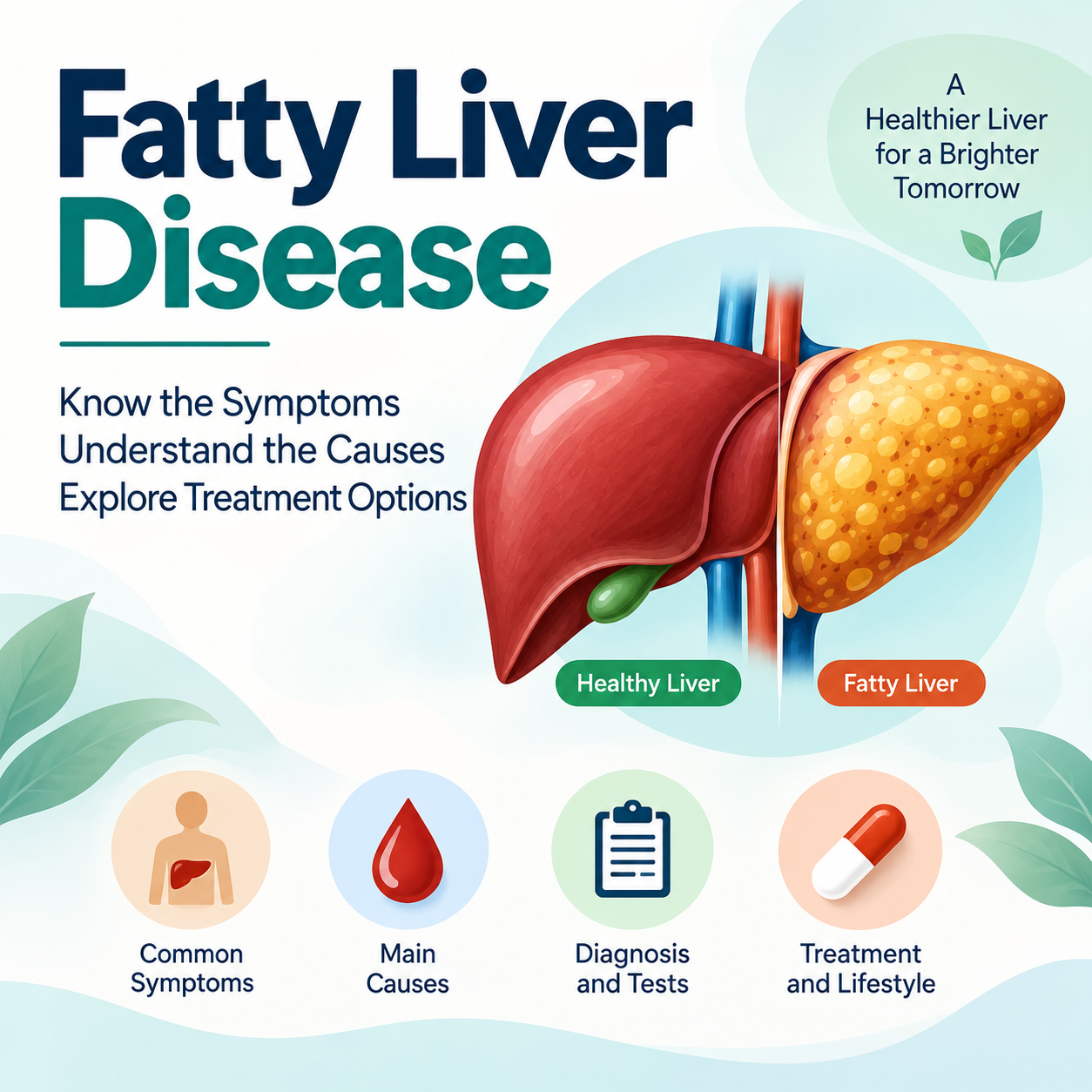
Fatty liver disease is a common condition in which excess fat accumulates in the liver. Many people with fatty liver have no obvious symptoms, which means the condition may be discovered incidentally during an ultrasound, blood test or health check-up.
Although early fatty liver may not cause noticeable problems, it should not simply be ignored. In some people, ongoing liver inflammation and damage can eventually lead to fibrosis and more advanced liver disease.
If you have been diagnosed with fatty liver or have abnormal liver tests, consulting an experienced Gastroenterologist in Lucknow can help assess the severity of the condition and identify the factors contributing to it.
Dr. Puneet Mehrotra, Gastroenterologist, Hepatologist and Therapeutic Endoscopist, provides evaluation and management for fatty liver and other gastrointestinal and liver-related conditions in Lucknow.
What Is Fatty Liver Disease?
The liver performs many important functions, including processing nutrients, producing bile, storing energy and helping remove substances the body does not need.
A small amount of fat can normally be present in the liver. Fatty liver disease develops when excessive fat accumulates within liver cells.
Today, fatty liver is commonly associated with metabolic risk factors such as obesity, type 2 diabetes, abnormal cholesterol or triglyceride levels and other metabolic problems.
Alcohol consumption can also cause or contribute to fatty liver and liver damage. Determining the likely cause is therefore an important part of evaluation.
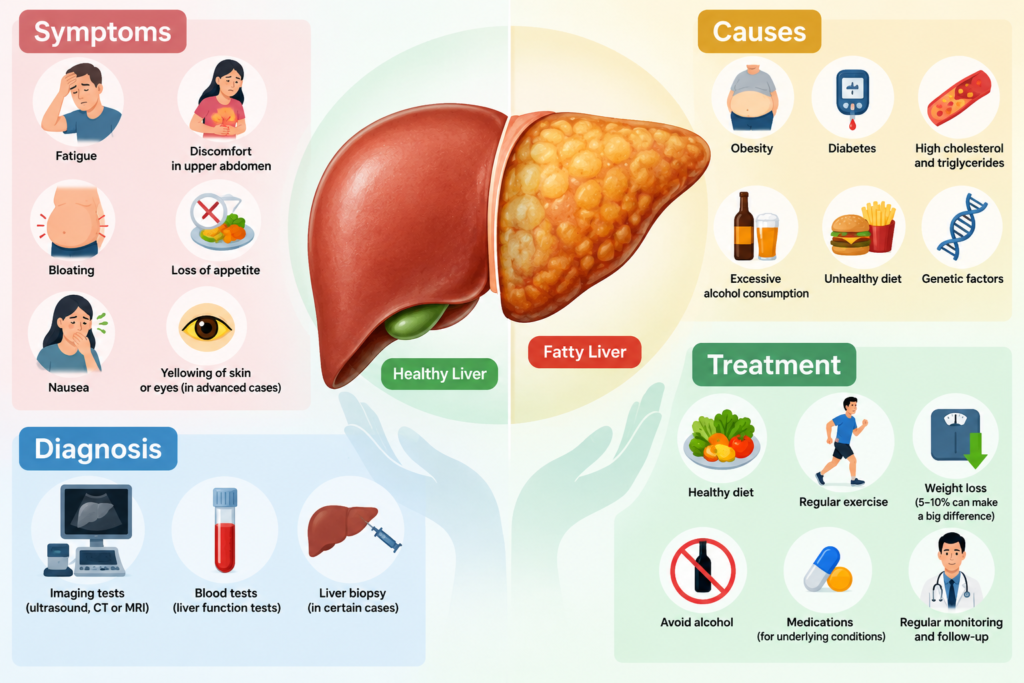
What Causes Fatty Liver?
Fatty liver may develop due to several factors.
1. Excess Body Weight
Being overweight or obese, particularly having excess abdominal fat, is strongly associated with fatty liver disease.
2. Type 2 Diabetes
People with type 2 diabetes have an increased risk of developing fatty liver and potentially more advanced liver disease.
3. High Cholesterol and Triglycerides
Abnormal blood lipid levels frequently occur alongside metabolic fatty liver disease.
4. Insulin Resistance
Insulin resistance is an important metabolic factor associated with fat accumulation in the liver.
5. Alcohol Consumption
Regular or excessive alcohol intake can cause fatty liver and progressive liver injury.
It is important to tell your doctor accurately about alcohol consumption because this can influence diagnosis and management.
6. Certain Medicines and Medical Conditions
In some cases, medications or other medical conditions can contribute to fat accumulation in the liver.
A doctor may review your medical history and medicines when evaluating fatty liver.
What Are the Symptoms of Fatty Liver?
Fatty liver is often called a “silent” condition because many people experience no symptoms, particularly during its early stages.
When symptoms occur, they may include:
- Fatigue
- General weakness
- Discomfort in the upper-right abdomen
- A feeling of heaviness around the liver area
Symptoms alone cannot determine the severity of liver disease.
This is why appropriate investigation may be necessary even when someone feels completely well.
Can a Thin Person Have Fatty Liver?
Yes.
Although fatty liver is commonly associated with obesity, people who are not overweight can also develop the condition.
Metabolic health, diabetes, abnormal cholesterol levels, genetics, diet, physical activity and other factors may influence risk.
Therefore, being thin does not automatically rule out fatty liver disease.
How Is Fatty Liver Diagnosed?
Fatty liver may initially be detected through:
- Abdominal ultrasound
- Liver function tests
- Routine health investigations
- Imaging performed for another reason
However, detecting fat in the liver is only part of the assessment.
A gastroenterologist or hepatologist may also evaluate the patient’s metabolic risk factors, alcohol intake, medical history and the possibility of liver fibrosis.
Additional blood tests, imaging or non-invasive liver stiffness assessment may be advised depending on the individual case.
What Is Liver Fibrosis?
Persistent liver injury can lead to the formation of scar tissue, known as fibrosis.
Fibrosis can range from mild to advanced. Severe, longstanding fibrosis can progress to cirrhosis in some patients.
The risk of progression is not the same for everyone. This is why identifying patients who may have significant fibrosis is an important aspect of fatty liver management.
Is Fatty Liver Reversible?
Fat accumulation and early liver abnormalities can improve significantly in many patients when the underlying metabolic or lifestyle factors are effectively addressed.
Management may involve weight reduction where appropriate, regular physical activity, improved dietary habits and better control of diabetes, cholesterol and other metabolic conditions.
However, patients with significant fibrosis or advanced liver disease require individual medical management and monitoring.
Fatty Liver Treatment
There is no single treatment plan suitable for every patient.
Management depends on the cause, severity and associated medical conditions.
Weight Management
For patients who are overweight, gradual and sustainable weight loss can help improve liver health.
Crash diets and extreme weight-loss approaches are generally not a good long-term strategy.
Regular Exercise
Regular physical activity can improve metabolic health and may reduce liver fat.
Both aerobic activity and resistance exercise can be useful when appropriate for the individual.
Healthy Eating
A balanced dietary pattern focusing on minimally processed foods, vegetables, fruits, appropriate protein sources and healthier fats may support overall metabolic and liver health.
Reducing excessive intake of sugary beverages, refined carbohydrates and highly processed foods can also be beneficial.
Diabetes and Cholesterol Management
Good control of diabetes, cholesterol, triglycerides and blood pressure is important because fatty liver frequently occurs alongside these metabolic conditions.
Alcohol
Patients with fatty liver should discuss alcohol consumption with their doctor. Recommendations may differ depending on the cause and severity of liver disease.
When Should You Consult a Liver Specialist?
Consider medical evaluation if:
- An ultrasound shows fatty liver
- Liver enzymes are repeatedly abnormal
- You have diabetes or metabolic syndrome with fatty liver
- You are overweight and have liver abnormalities
- You consume significant amounts of alcohol
- Previous tests suggest liver fibrosis
- You have jaundice or other signs of liver disease
Advanced symptoms such as jaundice, abdominal swelling, vomiting blood, black stools or confusion require urgent medical attention.
Consult a Gastroenterologist in Lucknow for Fatty Liver
Fatty liver is common, but its severity varies considerably between individuals.
Rather than focusing only on whether an ultrasound says “Grade 1” or “Grade 2,” proper evaluation should consider overall liver health and the risk of fibrosis.
Patients searching for the best Gastroenterologist in Lucknow for fatty liver should consider expertise in both gastroenterology and hepatology.
Dr. Puneet Mehrotra is a Gastroenterologist, Hepatologist and Therapeutic Endoscopist providing evaluation and management for fatty liver and other liver and digestive disorders in Lucknow.
Early identification of risk factors and appropriate long-term management can play an important role in protecting liver health.
Frequently Asked Questions
Is Grade 1 fatty liver dangerous?
Grade 1 generally indicates mild fat accumulation on imaging, but ultrasound grade alone does not determine the complete health of the liver. Associated metabolic risk factors and the possibility of fibrosis should also be considered.
Can fatty liver occur without symptoms?
Yes. Many people with fatty liver have no noticeable symptoms.
Can fatty liver be reversed?
Liver fat and early abnormalities can improve in many patients through appropriate weight management, physical activity and control of underlying metabolic risk factors.
Which doctor treats fatty liver?
Gastroenterologists and hepatologists diagnose and manage diseases affecting the liver, including fatty liver disease.
Does fatty liver always become cirrhosis?
No. Fatty liver does not automatically progress to cirrhosis. However, some people can develop inflammation, fibrosis and advanced liver disease, which is why appropriate risk assessment is important.