Stomach Ulcer: Symptoms, Causes & Treatment
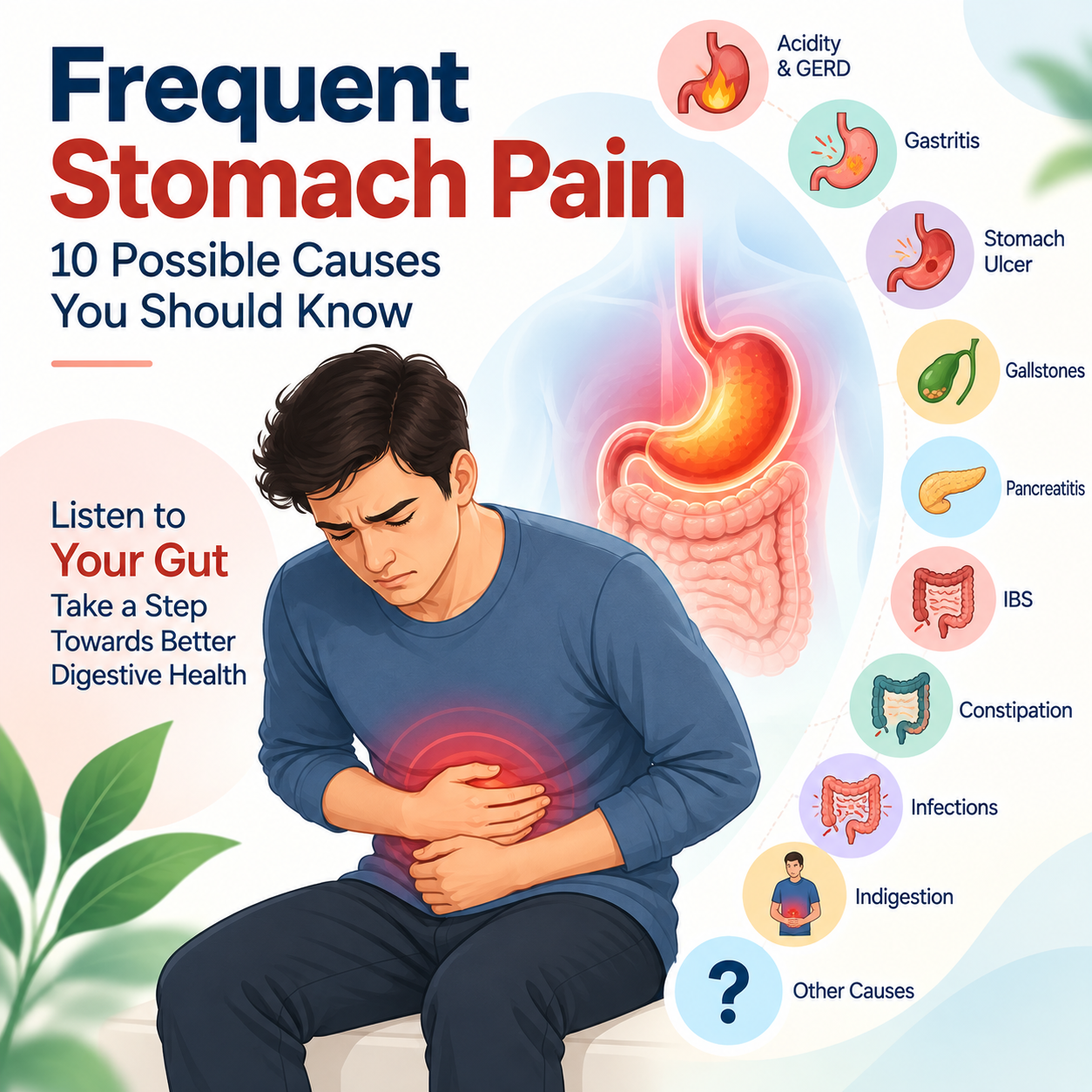
Stomach pain, frequent acidity, burning in the upper abdomen, or feeling uncomfortable after meals may sometimes be more than a simple digestive problem. One possible cause is a stomach ulcer, also known as a gastric ulcer.
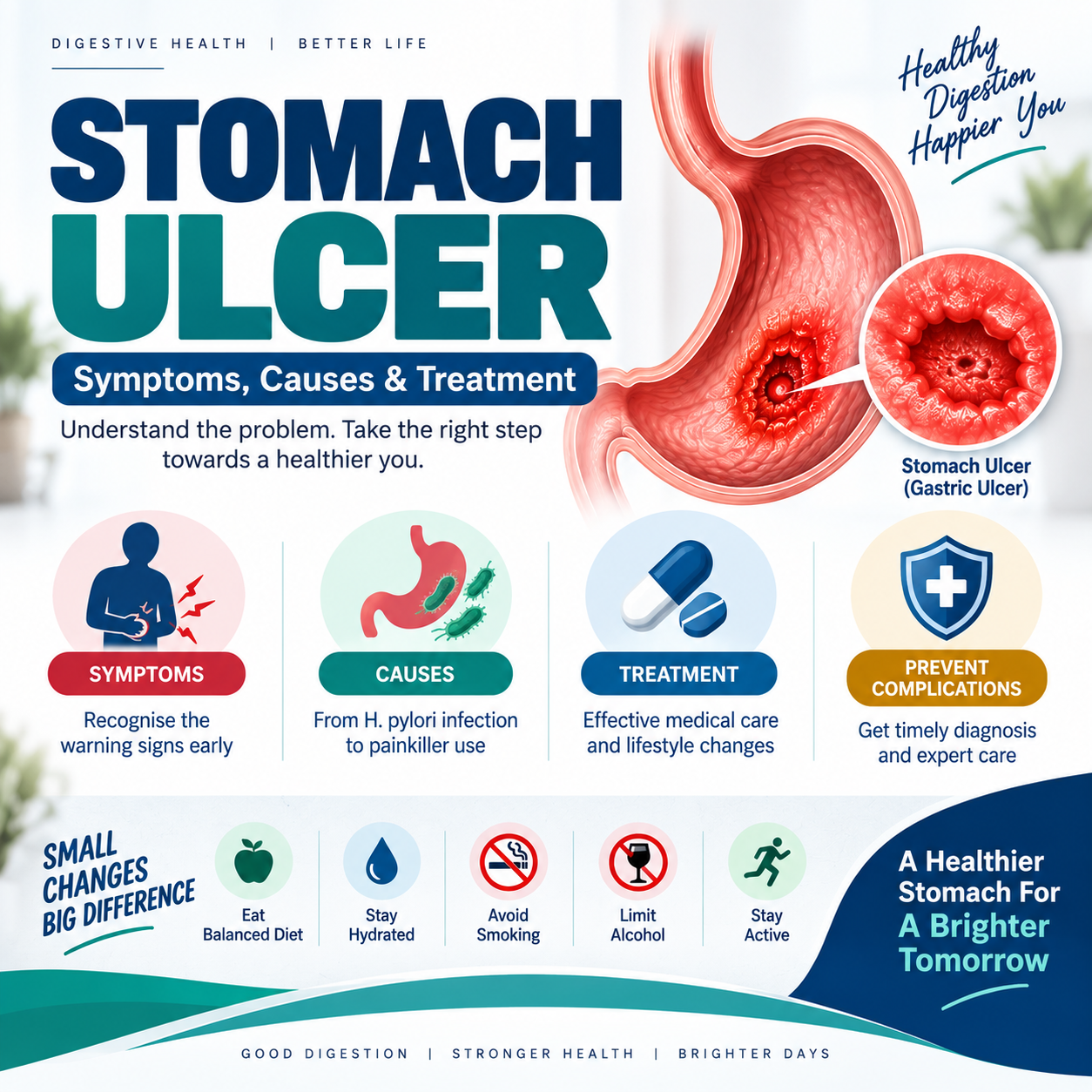
A stomach ulcer is an open sore that develops in the lining of the stomach. It is a type of peptic ulcer disease and can cause persistent digestive symptoms. While many stomach ulcers can be treated effectively, delaying diagnosis may increase the risk of complications such as bleeding or, less commonly, perforation.
If you experience persistent or recurring stomach symptoms, consulting a Gastroenterologist in Lucknow can help identify the underlying cause and determine appropriate treatment.
What Is a Stomach Ulcer?
The stomach naturally produces acid to help digest food. At the same time, its inner lining has protective mechanisms that prevent this acid from damaging stomach tissue.
When this protective barrier becomes weakened or damaged, stomach acid can irritate the underlying tissue and contribute to the formation of an ulcer.
Stomach ulcers can vary in severity. Some people experience noticeable pain and discomfort, while others may have relatively mild symptoms until complications develop.
Common Symptoms of a Stomach Ulcer
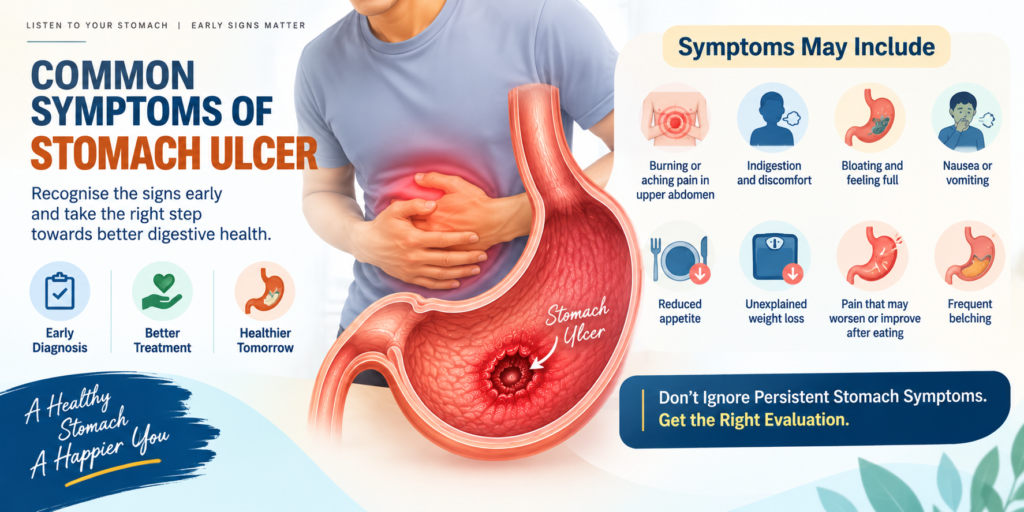
Symptoms may differ from person to person, but commonly reported signs include:
- Burning or aching pain in the upper abdomen
- Indigestion or persistent discomfort
- Bloating or a feeling of fullness
- Frequent belching
- Nausea or occasional vomiting
- Reduced appetite
- Discomfort associated with eating
- Unexplained weight loss in some cases
The pattern of pain can vary, so symptoms alone cannot reliably confirm whether someone has an ulcer.
What Causes Stomach Ulcers?
1. Helicobacter pylori (H. pylori) Infection
H. pylori is a bacterium that can infect the stomach lining. In some people, the infection contributes to inflammation and damage to the protective lining, increasing the risk of peptic ulcers.
Testing for H. pylori may therefore be an important part of evaluating a suspected stomach ulcer.
2. Regular Use of Certain Painkillers
Non-steroidal anti-inflammatory drugs (NSAIDs) such as ibuprofen, aspirin, and naproxen can irritate or damage the stomach lining, particularly when taken regularly or in certain higher-risk patients.
People who frequently require these medicines should discuss their gastrointestinal risk with their doctor rather than stopping prescribed medication on their own.
3. Smoking
Smoking may interfere with the stomach’s protective mechanisms and can negatively affect ulcer healing.
4. Alcohol
Excessive alcohol consumption can irritate the stomach lining and may worsen existing digestive symptoms.
5. Other Factors
Certain medical conditions and medications may also increase the risk of peptic ulcer disease. Stress and spicy foods may aggravate symptoms in some people, but they are not considered the primary causes of most stomach ulcers.
How Is a Stomach Ulcer Diagnosed?
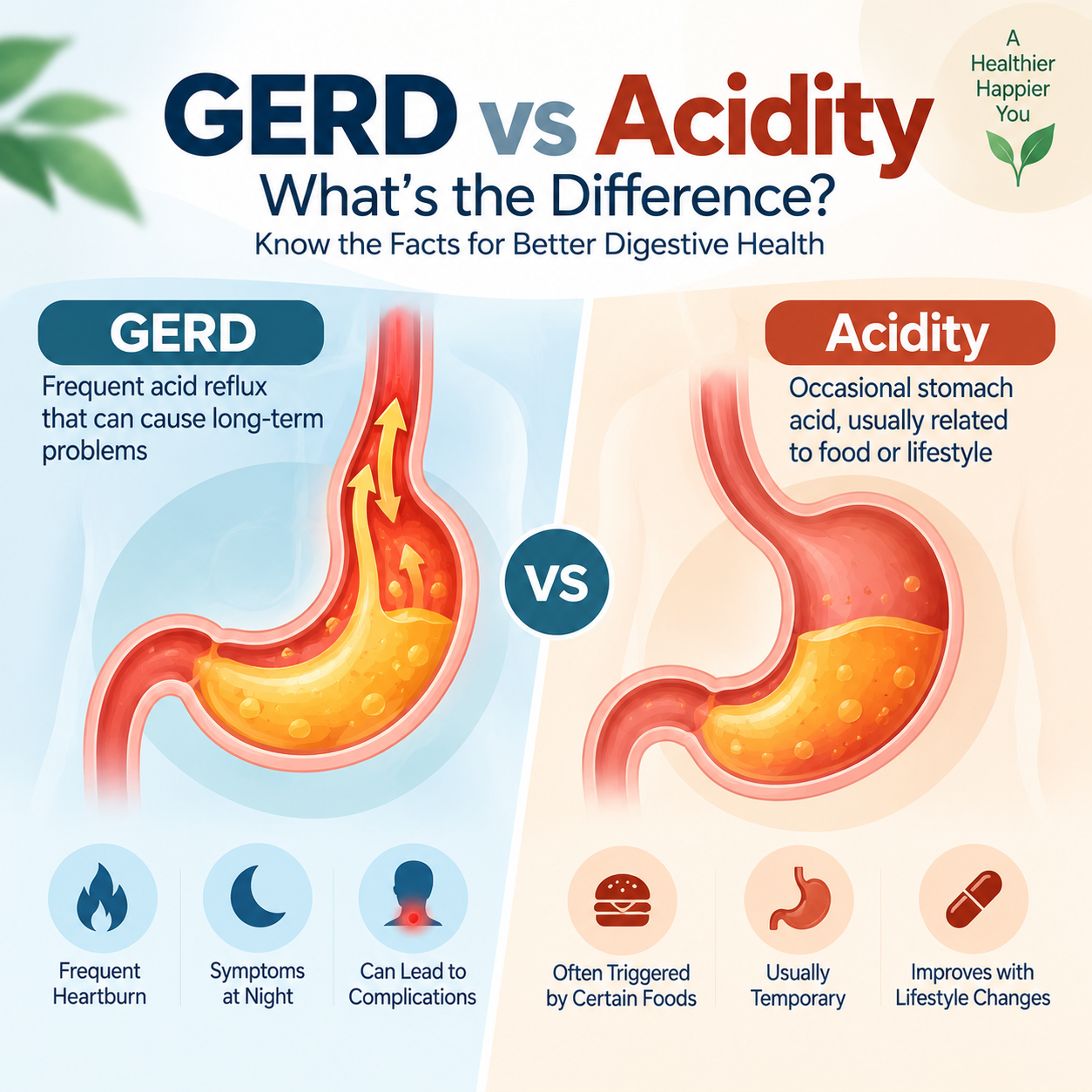
Because symptoms of stomach ulcers can overlap with conditions such as gastritis, acid reflux, and other digestive disorders, proper evaluation is important.
Depending on the patient’s symptoms and medical history, a gastroenterologist may recommend:
Upper GI Endoscopy: A thin, flexible tube with a camera is passed through the mouth to examine the oesophagus, stomach, and first part of the small intestine. This allows the doctor to directly identify ulcers and other abnormalities and, when appropriate, obtain a biopsy.
H. pylori Testing: Breath, stool, blood, or biopsy-based testing may be used depending on the clinical situation.
Additional Tests: Blood tests or other investigations may be advised when there is concern about anaemia, bleeding, or another underlying condition.
Treatment for Stomach Ulcers
Treatment depends on the cause of the ulcer and the patient’s overall health.
Acid-Reducing Medicines
Proton pump inhibitors (PPIs) are commonly used to reduce stomach acid and allow the damaged lining to heal.
Treatment for H. pylori
If H. pylori infection is confirmed, treatment usually involves a combination of acid-suppressing medicine and antibiotics. The exact regimen should be selected by a doctor based on current recommendations and individual factors.
Completing the prescribed course is important. Follow-up testing may also be recommended to confirm that the infection has been successfully eradicated.
Reviewing NSAID Use
When an ulcer is associated with NSAIDs, the doctor may review whether the medicine can be stopped, reduced, replaced, or combined with stomach-protective treatment.
Do not discontinue medicines such as prescribed aspirin without medical advice, particularly when they are being used for cardiovascular conditions.
Diet and Lifestyle Tips
Lifestyle changes do not replace medical treatment, but they may help reduce irritation and improve digestive comfort.
Try to:
- Avoid foods that consistently trigger your symptoms
- Limit excessive alcohol consumption
- Stop smoking
- Avoid unnecessary or unsupervised painkiller use
- Eat balanced meals
- Follow the treatment schedule prescribed by your doctor
There is no single “ulcer diet” suitable for everyone. Food triggers can vary significantly between individuals.
When Should You Seek Immediate Medical Attention?
Some ulcer-related complications require urgent medical care.
Seek immediate medical attention if you experience:
- Vomiting blood or material resembling coffee grounds
- Black, tarry stools
- Sudden or severe abdominal pain
- Fainting, marked dizziness, or unusual weakness
- Persistent vomiting
These symptoms may indicate gastrointestinal bleeding or another serious complication and should not be ignored.
Can Stomach Ulcers Come Back?
Yes. An ulcer may recur if its underlying cause is not adequately addressed. For example, persistent H. pylori infection or continued use of ulcer-causing medicines can increase the likelihood of recurrence.
Correct diagnosis, appropriate treatment, and follow-up therefore play an important role in preventing future problems.
Consult Dr. Puneet Mehrotra – Gastroenterologist in Lucknow
Persistent stomach pain, burning, indigestion, nausea, or recurrent digestive problems should not simply be assumed to be “gas” or acidity.
For evaluation and management of stomach ulcers and other gastrointestinal conditions, you can consult:
Dr. Puneet Mehrotra
MD Medicine, DM Gastroenterology (SGPGIMS)
DNB Gastroenterology
Member – American College of Gastroenterology
Gastroenterologist | Hepatologist | Therapeutic Endoscopist | GI & Liver Specialist
Lucknow Gastroenterology & Gynaecology Centre (LGGC)
B-127, Nirala Nagar, Behind Ram Krishna Math, Near IT College Crossing, Lucknow
Consultation Timing: 9:00 AM – 4:00 PM (Daily)
Contact:
9554554548
9415044452
0522-2787150
Early evaluation can help determine whether your symptoms are caused by an ulcer or another gastrointestinal condition and allow appropriate treatment to begin.