Acidity and Acid Reflux: Causes, Symptoms & When to See a Doctor
Acidity and acid reflux are common digestive problems that can cause a burning sensation in the chest, sour taste in the mouth, burping, discomfort after meals, and disturbed sleep. While occasional acid reflux may occur after a heavy or spicy meal, frequent symptoms should not be ignored.
If acidity keeps returning, affects your daily routine, or does not improve with basic lifestyle changes, consulting an experienced Gastroenterologist in Lucknow can help identify the underlying cause and determine an appropriate treatment plan.
Dr. Puneet Mehrotra, Gastroenterologist, Hepatologist and Therapeutic Endoscopist, provides consultation for acid reflux, GERD and various gastrointestinal and liver-related conditions at Lucknow Gastroenterology & Gynaecology Centre.
What Is Acidity?
The stomach naturally produces acid to help digest food. The stomach lining is designed to tolerate this acidic environment.
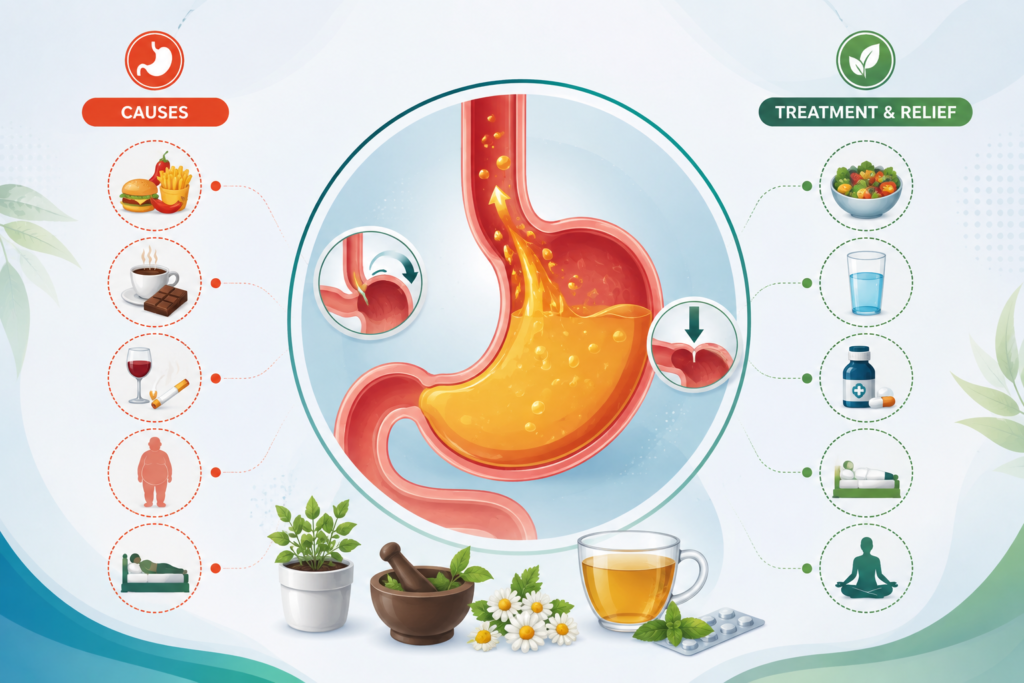
Problems may occur when stomach contents move backward into the oesophagus—the tube connecting the mouth to the stomach. This backward movement is known as acid reflux.
Because the oesophagus does not have the same protective lining as the stomach, repeated exposure to stomach acid can cause irritation and a burning sensation.
What Is GERD?
Occasional acid reflux and gastroesophageal reflux disease (GERD) are not necessarily the same thing.
GERD is a condition in which reflux occurs repeatedly or causes troublesome symptoms and, in some patients, complications.
Someone experiencing frequent heartburn or acid reflux should consider medical evaluation rather than relying continuously on over-the-counter medicines.
Common Symptoms of Acid Reflux
Symptoms can vary from person to person. Common complaints include:
- Burning sensation in the chest or heartburn
- Sour or bitter taste in the mouth
- Regurgitation of food or liquid
- Frequent burping
- Upper abdominal discomfort
- Nausea
- Feeling of food coming back up
- Symptoms becoming worse after heavy meals
- Symptoms becoming worse while lying down
Some patients may also experience throat irritation, chronic cough, hoarseness or other symptoms associated with reflux.
What Causes Acid Reflux?
Several lifestyle, dietary and medical factors can contribute to acid reflux.
1. Large or Heavy Meals
Eating large meals can increase pressure within the stomach and may make reflux more likely.
2. Lying Down Soon After Eating
Going to bed immediately after dinner can make it easier for stomach contents to travel upward into the oesophagus.
Leaving sufficient time between dinner and bedtime may help some people with nighttime reflux.
3. Trigger Foods and Drinks
Triggers differ between individuals. Some people notice worsening symptoms after consuming spicy or fatty foods, chocolate, caffeine, certain acidic foods or carbonated beverages.
Instead of unnecessarily eliminating many foods, identifying your personal triggers can be more practical.
4. Being Overweight
Excess body weight can increase pressure on the abdomen and may contribute to reflux. Weight management may therefore form part of treatment in appropriate patients.
5. Smoking
Smoking can negatively affect digestive health and may worsen reflux symptoms.
6. Pregnancy
Hormonal changes and increased abdominal pressure during pregnancy can contribute to heartburn and reflux.
Pregnant women should discuss persistent symptoms and medication use with their doctor.
7. Certain Medicines
Some medicines may contribute to reflux or irritation of the digestive tract. Do not stop prescribed medicines without medical advice. A doctor can assess whether medication could be contributing to your symptoms.
Is Acidity Always Caused by Spicy Food?
No.
Spicy food can trigger symptoms in some people, but recurring acid reflux can have several contributing factors.
Meal size, eating habits, body weight, smoking, certain medicines and underlying gastrointestinal conditions may all play a role.
This is why repeatedly avoiding spicy foods without identifying the actual cause may not completely solve the problem.
How Is Frequent Acid Reflux Diagnosed?
Diagnosis usually begins with a detailed medical history and assessment of symptoms.
A gastroenterologist may ask about:
- Frequency and duration of symptoms
- Relationship between symptoms and meals
- Nighttime symptoms
- Medicines being taken
- Difficulty swallowing
- Unintentional weight loss
- Previous digestive conditions
Many patients can initially be assessed based on symptoms and clinical history. However, additional investigations may be recommended when symptoms are persistent, unusual or associated with warning signs.
When May Upper GI Endoscopy Be Recommended?
An upper gastrointestinal endoscopy allows a gastroenterologist to examine the oesophagus, stomach and beginning of the small intestine using a thin flexible instrument with a camera.
It may be considered in selected patients, particularly when symptoms do not respond as expected to treatment or when warning signs are present.
Endoscopy can help doctors investigate conditions affecting the upper digestive tract and determine an appropriate management strategy.
How Is Acid Reflux Treated?
Treatment depends on the frequency and severity of symptoms and the underlying cause.
Management may involve a combination of lifestyle changes and medicines prescribed by a doctor.
Lifestyle Changes
Some patients may benefit from:
- Eating smaller meals
- Avoiding lying down immediately after eating
- Maintaining a healthy body weight
- Identifying personal food triggers
- Avoiding smoking
- Limiting foods or drinks that consistently trigger symptoms
- Adjusting meal timing
Lifestyle changes should be personalised because not every trigger affects every patient in the same way.
Medicines
Doctors may recommend medicines that reduce or neutralise stomach acid depending on the patient’s symptoms and diagnosis.
Acid-suppressing medicines can be very effective when used appropriately. However, repeatedly self-medicating without determining why symptoms keep returning may delay proper diagnosis.
When Should You See a Gastroenterologist?
Consider consulting a gastroenterologist if you experience persistent or frequently recurring heartburn, reflux that interferes with sleep, symptoms despite lifestyle changes, difficulty or pain while swallowing, repeated vomiting, unexplained weight loss, gastrointestinal bleeding or other concerning symptoms.
Certain chest symptoms can also have causes unrelated to the digestive system. New or severe chest pain—particularly when associated with breathlessness, sweating, dizziness or pain spreading to the arm or jaw—requires prompt medical assessment.
Why You Should Not Ignore Frequent Acid Reflux
Occasional reflux is common, but persistent symptoms deserve attention.
Repeated reflux may irritate or damage the oesophagus in some patients. Proper evaluation can help distinguish occasional acidity from GERD or another gastrointestinal condition.
Instead of treating every episode as simple “gas” or “acidity,” recurring symptoms should be discussed with a qualified doctor.
Consult a Gastroenterologist in Lucknow
If you frequently experience acidity, heartburn, sour burps, regurgitation or other persistent digestive symptoms, a gastroenterology consultation can help determine the cause.
Patients searching for the best Gastroenterologist in Lucknow should consider factors such as specialist qualifications, experience in gastrointestinal and liver diseases, diagnostic facilities and therapeutic endoscopy expertise.
Dr. Puneet Mehrotra is a Gastroenterologist, Hepatologist and Therapeutic Endoscopist at Lucknow Gastroenterology & Gynaecology Centre, providing consultation for acid reflux, GERD and a broad range of gastrointestinal and liver-related conditions.
Early evaluation of persistent symptoms can help establish the correct diagnosis and guide appropriate treatment.
Frequently Asked Questions
Can acidity cause chest burning?
Yes. Acid reflux commonly causes a burning sensation behind the breastbone, often called heartburn. However, chest pain can also have non-digestive causes, so concerning or severe chest symptoms require medical assessment.
Is acid reflux the same as GERD?
Not exactly. Occasional acid reflux is common. GERD generally refers to reflux that repeatedly causes troublesome symptoms or complications.
Can I permanently cure acidity by avoiding spicy food?
Avoiding foods that trigger your symptoms may help, but spicy food is not the only possible cause. Frequent symptoms should be evaluated to identify contributing factors.
When should I consult a gastroenterologist for acidity?
You should consider consultation when symptoms occur frequently, persist despite lifestyle measures, disturb sleep or are accompanied by warning signs such as difficulty swallowing, bleeding, repeated vomiting or unexplained weight loss.
Which doctor treats frequent acid reflux?
A gastroenterologist specialises in diseases affecting the digestive system and can evaluate persistent acid reflux, GERD and related gastrointestinal conditions.