Constipation: Causes, Symptoms & Treatment
When to Consult a Gastroenterologist in Lucknow
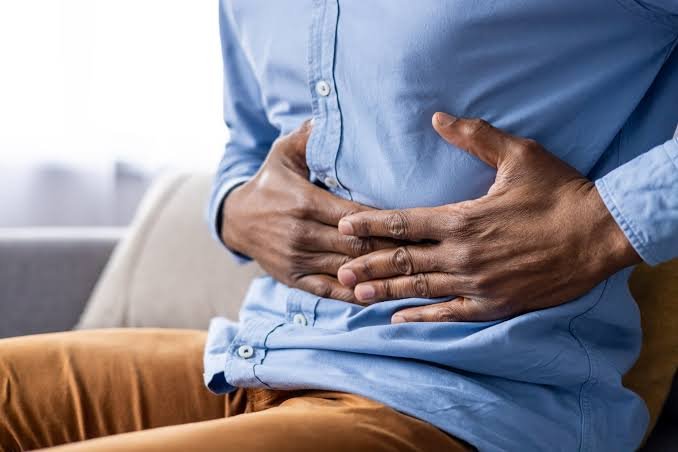
Constipation is one of the most common digestive complaints, but frequent or long-lasting constipation should not always be ignored. Difficulty passing stool, hard stools, excessive straining, bloating, or a feeling of incomplete bowel emptying can affect your daily routine and quality of life.
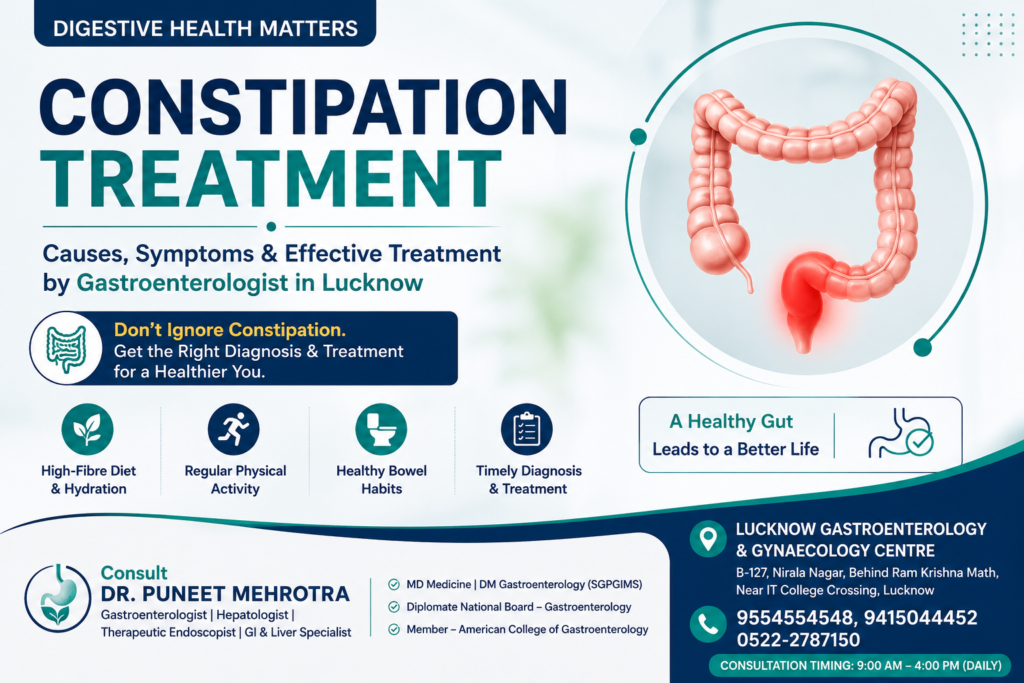
If constipation keeps returning despite changes in your diet and lifestyle, consulting an experienced Gastroenterologist in Lucknow can help identify the underlying cause and determine an appropriate treatment plan.
Dr. Puneet Mehrotra, Gastroenterologist, Hepatologist and Therapeutic Endoscopist at Lucknow Gastroenterology & Gynaecology Centre, provides consultation for constipation and a wide range of gastrointestinal and liver-related conditions in Lucknow.
What Is Constipation?
Constipation does not simply mean that you do not pass stool every day. Bowel habits vary from person to person.
Constipation may involve:
- Fewer than three bowel movements in a week
- Hard, dry or lumpy stools
- Difficulty or pain while passing stool
- Excessive straining
- A feeling that the bowel has not emptied completely
Occasional constipation is common. However, when the problem continues for weeks or repeatedly returns, it may require medical evaluation.
What Causes Constipation?
There is no single cause of constipation. In many patients, several factors may contribute to the problem.
1. Low-Fibre Diet
A diet that contains insufficient fruits, vegetables, whole grains and other fibre-rich foods may contribute to hard stools and constipation.
2. Inadequate Fluid Intake
Adequate hydration is important, particularly when increasing dietary fibre. Not consuming enough fluids may contribute to difficulty passing stools.
3. Sedentary Lifestyle
Low levels of physical activity may be associated with constipation. Regular physical activity can be helpful for maintaining healthy bowel habits.
4. Ignoring the Urge to Pass Stool
Repeatedly delaying a bowel movement can disturb normal bowel habits and may contribute to constipation.
5. Changes in Routine
Travel, pregnancy, ageing, dietary changes and changes in daily routine can temporarily affect bowel movements.
6. Certain Medicines
Some medicines and supplements can contribute to constipation. These may include certain pain medicines, iron supplements, some antacids and several other prescription medicines.
Patients should not stop a prescribed medicine on their own because they suspect it is causing constipation. Discuss the problem with your doctor first.
7. Underlying Digestive or Medical Conditions
Persistent constipation can sometimes be associated with conditions such as irritable bowel syndrome with constipation (IBS-C), pelvic floor disorders, hypothyroidism, diabetes or structural problems affecting the digestive tract.
This is one reason why chronic constipation deserves proper medical evaluation rather than repeatedly relying on self-medication.
Symptoms Associated With Constipation
Apart from difficulty passing stool, patients may experience:
- Hard or dry stools
- Excessive straining
- Abdominal discomfort
- Bloating
- Feeling of incomplete evacuation
- Reduced frequency of bowel movements
- Pain while passing stool
The symptoms and their severity can differ considerably between individuals.
When Should You Consult a Gastroenterologist?
Occasional constipation may improve with dietary and lifestyle measures. However, consider consulting a Gastroenterologist in Lucknow if constipation is persistent, frequently recurring or not improving despite appropriate self-care.
Medical attention is particularly important if constipation occurs along with:
- Blood in the stool or rectal bleeding
- Persistent abdominal pain
- Unexplained weight loss
- Vomiting
- Fever
- Inability to pass gas
- A sudden or significant change in bowel habits
These symptoms do not necessarily indicate a serious disease, but they should be medically evaluated.
How Is Chronic Constipation Diagnosed?
Treatment starts with understanding why constipation is occurring.
A gastroenterologist may ask about the duration and frequency of symptoms, stool consistency, dietary habits, medicines, lifestyle, previous medical conditions and family history.
Depending on the patient’s symptoms and clinical findings, further investigations may sometimes be advised. These can include blood or stool tests and, in selected patients, evaluation of the colon or other gastrointestinal investigations.
Not every person with constipation needs a colonoscopy. The need for investigations depends on factors such as age, symptoms, medical history and the presence of warning signs.
Treatment for Constipation
Treatment varies according to the cause, duration and severity of constipation.
Increase Dietary Fibre
Fruits, vegetables, legumes and whole grains can help increase dietary fibre. Fibre should generally be increased gradually, as a sudden increase may cause gas or bloating in some people.
Maintain Adequate Hydration
Drinking adequate fluids is especially important when increasing fibre intake or using fibre supplements.
Stay Physically Active
Regular physical activity may help improve bowel function and is beneficial for overall health.
Develop Healthy Toilet Habits
Avoid repeatedly ignoring the urge to pass stool. Maintaining a regular toilet routine and allowing enough time for bowel movements can be helpful.
Medicines When Required
Some patients may require fibre supplements, laxatives or prescription medicines. The appropriate treatment depends on the type and cause of constipation.
For chronic idiopathic constipation, evidence-based guidelines include several over-the-counter and prescription treatment options. However, medication selection should be based on the individual patient’s symptoms and medical condition.
Long-term or repeated self-medication without understanding the underlying cause should be avoided.
Why Choose Dr. Puneet Mehrotra for Digestive Problems in Lucknow?
If you are searching for an experienced Gastroenterologist in Lucknow for constipation or other digestive problems, you can consult Dr. Puneet Mehrotra.
Dr. Puneet Mehrotra
MD Medicine | DM Gastroenterology (SGPGIMS)
Diplomate National Board – Gastroenterology
Member – American College of Gastroenterology
Gastroenterologist | Hepatologist | Therapeutic Endoscopist
GI & Liver Specialist
Dr. Puneet Mehrotra provides consultation for gastrointestinal and liver-related conditions, including constipation, acidity and reflux symptoms, abdominal discomfort, digestive disorders and liver-related problems.
Looking for a Gastroenterologist in Lucknow for Constipation?
Persistent constipation can have several possible causes. Instead of repeatedly depending on home remedies or laxatives, proper evaluation can help determine what is causing your symptoms and which treatment approach is suitable for you.
For detailed consultation regarding constipation and other gastrointestinal problems in Lucknow, connect with Dr. Puneet Mehrotra at Lucknow Gastroenterology & Gynaecology Centre.
Book a Consultation
Dr. Puneet Mehrotra – Gastroenterologist in Lucknow
Lucknow Gastroenterology & Gynaecology Centre
B-127, Nirala Nagar, Behind Ram Krishna Math,
Near IT College Crossing, Lucknow
Consultation Timing:
9:00 AM – 4:00 PM (Daily)
Contact:
9554554548
9415044452
0522-2787150
This article is intended for general health education and should not replace individual medical advice, diagnosis or treatment.